



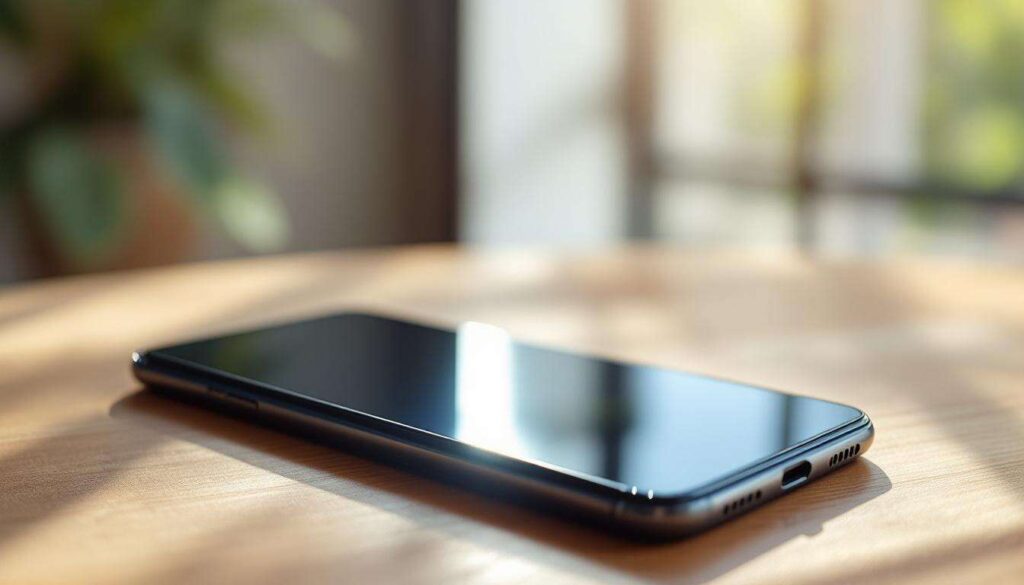
The relationship between smartphone owners and protective cases is undergoing a significant shift. Across the United Kingdom and beyond, a growing number of users are choosing to forgo traditional cases, embracing their devices in their original form. This movement reflects changing attitudes towards technology, design sensibilities, and environmental consciousness. Several factors contribute to this trend, from the evolution of manufacturing materials to a reassessment of what truly constitutes value in mobile accessories.
Aesthetic and design of modern smartphones
Premium materials deserve to be seen
Manufacturers invest considerable resources in creating visually stunning devices. Contemporary smartphones feature premium materials such as aerospace-grade aluminium, surgical-grade stainless steel, and sophisticated glass finishes that shimmer with depth and colour. Concealing these materials beneath a plastic or silicone case seems increasingly counterintuitive to design-conscious consumers. The craftsmanship that goes into creating these devices represents a significant portion of their value proposition, with colour options and finishes carefully curated to appeal to diverse tastes.
The slimness revolution
Engineers have worked tirelessly to reduce device thickness whilst maintaining structural integrity. Flagship models now measure less than 8mm in thickness, creating an elegant profile that disappears when encased. Users who appreciate this sleek form factor find that cases negate years of engineering progress, transforming svelte devices into bulky rectangles. The tactile experience of holding a bare phone, with its smooth surfaces and precisely chamfered edges, offers a premium sensation that protective accessories simply cannot replicate.
Colour as personal expression
Smartphone colours have evolved beyond basic black and white options:
- Gradient finishes that shift in different lighting conditions
- Matte textures that resist fingerprints whilst maintaining elegance
- Limited edition collaborations with fashion brands
- Seasonal colour releases that reflect current trends
Hiding these carefully selected colours beneath a case diminishes the personal statement that device choice represents. This emphasis on aesthetics naturally leads to considerations of how cases affect the physical experience of using a smartphone.
An extra weight to avoid for more comfort
The burden of protection
Even modest protective cases add noticeable weight to modern smartphones. A typical case contributes between 30 and 80 grammes to a device’s mass, representing a substantial percentage increase for phones that already weigh 170 to 240 grammes. For users who carry their devices constantly throughout the day, this additional weight accumulates into genuine discomfort. The ergonomic impact extends beyond mere numbers, affecting how phones sit in pockets, how easily they can be operated one-handed, and the strain placed on wrists during extended use.
Pocket bulge and portability concerns
Cases increase device dimensions in all directions, creating practical challenges:
- Difficulty sliding phones into fitted trouser pockets
- Increased prominence when carried, affecting clothing drape
- Challenges fitting devices into small bags or clutches
- Incompatibility with certain mounting systems and accessories
Minimalist lifestyles prioritise reducing unnecessary bulk, and smartphone cases represent an obvious target for elimination. The freedom of carrying a slim, lightweight device aligns with broader trends towards simplification and essentialism. Beyond physical comfort, the materials used in modern smartphones are reshaping perceptions of durability.
The perception of durability of new materials
Ceramic Shield and Gorilla Glass Victus
Display technology has advanced dramatically, with manufacturers introducing ceramic-infused glass that offers unprecedented scratch and drop resistance. Independent testing demonstrates that these materials withstand impacts that would have shattered previous generations of screens. The confidence inspired by these innovations encourages users to trust their devices without additional protection. Manufacturers promote these durability features prominently, implicitly suggesting that cases may be unnecessary for careful users.
Metal frames and structural integrity
| Material | Scratch Resistance | Impact Absorption |
|---|---|---|
| Standard aluminium | Moderate | Good |
| Aerospace aluminium | High | Excellent |
| Stainless steel | Very high | Excellent |
| Titanium | Exceptional | Outstanding |
The progression towards stronger materials reflects manufacturer commitment to creating devices that survive everyday mishaps. Water and dust resistance ratings of IP68 further reinforce the message that modern smartphones are robust tools designed for real-world conditions. Users who previously relied on cases for basic protection now question whether that insurance policy remains necessary. These technical improvements intersect with financial considerations that influence purchasing decisions.
The hidden cost of smartphone cases
The premium case market
Quality protective cases command substantial prices, with premium options ranging from £30 to £80 or more. Designer collaborations and luxury brands push prices even higher, sometimes exceeding £100 for leather or exotic material cases. Over the typical two to three year smartphone ownership cycle, users often purchase multiple cases as originals wear out or personal preferences evolve. The cumulative expenditure on protective accessories can approach or exceed the cost of a single screen repair, prompting a reassessment of value.
Opportunity cost and alternative uses
Money allocated to cases represents funds unavailable for other purposes:
- Extended warranty programmes offering comprehensive damage protection
- Higher-capacity storage models providing lasting utility
- Quality headphones or other accessories enhancing daily experience
- Simply saving the money for future device upgrades
Insurance schemes have become increasingly affordable, offering complete device replacement for monthly fees comparable to the amortised cost of premium cases. This shift in protection strategies allows users to enjoy their devices as designed whilst maintaining financial safeguards. Financial considerations connect closely with growing environmental awareness.
The ecological impact of protective accessories
Plastic waste and manufacturing footprint
The case industry produces millions of units annually, predominantly manufactured from petroleum-based plastics including polycarbonate, thermoplastic polyurethane, and silicone. Each case requires energy-intensive production processes, packaging materials, and international shipping networks. When cases wear out or users upgrade devices, these accessories typically end up in landfills where they persist for centuries. The environmental cost of this disposable accessory culture increasingly troubles eco-conscious consumers who seek to minimise their ecological footprint.
The illusion of recycling
Whilst some manufacturers promote recycling programmes, the reality proves less encouraging:
- Mixed materials make cases difficult to process effectively
- Collection and sorting infrastructure remains inadequate
- Economic incentives favour virgin plastic over recycled materials
- Most cases contain additives that complicate recycling chemistry
Reducing consumption represents a more effective environmental strategy than relying on recycling. By eliminating cases entirely, users avoid contributing to this waste stream whilst sending market signals that encourage sustainable design practices. These environmental and practical considerations ultimately intersect with personal style preferences.
Reduction of risks vs minimalist style
Calculated risk acceptance
Going case-free requires acknowledging potential consequences, but many users conclude that careful handling mitigates most risks. Statistical analysis of smartphone damage reveals that drops occur less frequently than protective accessory marketing suggests, particularly amongst adult users in professional environments. The psychological shift from fear-based protection to mindful usage represents a maturation in the relationship between owners and devices. This approach parallels broader lifestyle movements emphasising quality over quantity and intentional living over precautionary excess.
The minimalist aesthetic movement
Contemporary design philosophy celebrates restraint, authenticity, and essential functionality. Removing cases aligns perfectly with these principles, allowing devices to exist as their creators intended. Minimalism extends beyond visual appeal to encompass reduced decision fatigue and simplified daily routines. Users report satisfaction from eliminating the recurring question of which case to use, instead developing confidence in their device’s inherent capabilities. This philosophy represents not carelessness but rather a deliberate choice to trust in engineering excellence and personal responsibility.
The convergence of improved materials, shifting economic calculations, environmental consciousness, and evolving aesthetic preferences creates a compelling case for abandoning smartphone cases. Users increasingly recognise that the supposed security offered by protective accessories comes with tangible costs to design appreciation, physical comfort, financial resources, and environmental sustainability. Whilst cases remain appropriate for certain use cases and individual circumstances, the trend towards case-free smartphone ownership reflects a broader cultural evolution in how society relates to personal technology. The decision ultimately rests with each user, weighing personal priorities against potential risks in an informed, intentional manner.