



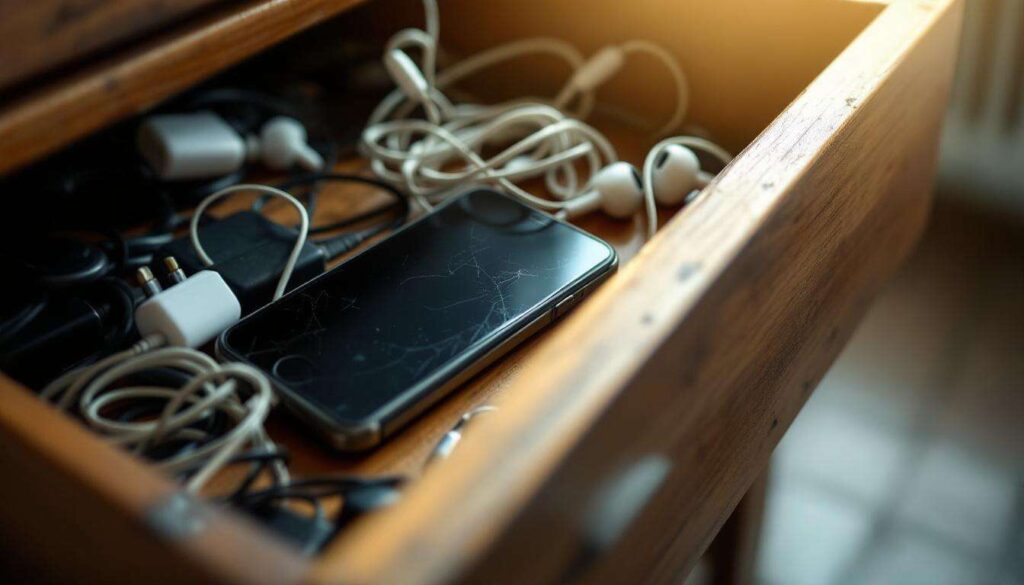
Most households harbour at least one forgotten mobile phone, tucked away in a drawer and gathering dust. Whilst it might seem harmless to keep these devices as backup options or sentimental keepsakes, this common practice carries significant consequences that extend far beyond simple clutter. From environmental damage to security vulnerabilities and missed financial opportunities, storing obsolete phones creates problems that many users fail to recognise until it’s too late.
The environmental risks of unused phones
Toxic materials locked away
Mobile phones contain a complex mixture of hazardous substances that pose environmental threats when left unused. These devices house materials including:
- Lead in circuit boards and solder
- Mercury in screens and batteries
- Cadmium in battery components
- Brominated flame retardants in plastic casings
- Arsenic and beryllium in various electronic components
When phones remain in drawers for extended periods, their batteries gradually degrade. This deterioration can lead to chemical leakage, potentially contaminating household environments. In extreme cases, degraded lithium-ion batteries may swell, rupture, or even cause fires.
Squandered rare earth elements
Each smartphone contains precious metals and rare earth elements essential for modern technology. A single device typically holds small quantities of gold, silver, copper, platinum, and palladium, alongside rare earth elements like neodymium and dysprosium. These materials require environmentally destructive mining operations, often in ecologically sensitive regions.
| Material | Average quantity per phone | Primary use |
|---|---|---|
| Gold | 0.034 grams | Circuit boards, connectors |
| Silver | 0.25 grams | Electrical contacts |
| Copper | 15 grams | Wiring, circuits |
| Cobalt | 5-10 grams | Battery production |
By keeping phones unused, consumers inadvertently contribute to increased demand for virgin materials, perpetuating environmentally damaging extraction processes. Beyond the physical materials trapped inside unused devices, there are equally concerning digital vulnerabilities lurking within.
The dangers to personal data security
Outdated security systems
Old phones stored in drawers no longer receive critical security updates from manufacturers. Operating systems become increasingly vulnerable to newly discovered exploits, whilst encryption methods that were once considered secure become obsolete. Devices running software more than three years old typically lack protection against contemporary cyber threats.
These security gaps create opportunities for anyone who gains physical access to the device. Even if a phone appears switched off, residual data remains accessible through various recovery methods, particularly if the device wasn’t properly wiped before storage.
Forgotten accounts and personal information
Most users underestimate the volume of sensitive information stored on their old devices. This data repository typically includes:
- Saved passwords and authentication tokens
- Banking application credentials
- Personal photographs and videos
- Email correspondence and contact lists
- Location history and movement patterns
- Biometric data templates
- Two-factor authentication backup codes
If an old phone falls into the wrong hands through theft, house clearances, or improper disposal, this information becomes accessible to malicious actors. Identity theft, financial fraud, and privacy violations become genuine risks. Whilst security concerns mount with each passing month, the device’s monetary worth simultaneously diminishes.
Loss of financial value over time
Rapid depreciation of mobile technology
Smartphones experience steep value depreciation from the moment of purchase. Research indicates that mobile phones lose approximately 70-80% of their original retail value within the first two years. This depreciation accelerates as manufacturers release new models with enhanced features, rendering older devices less desirable.
A phone worth £200 on the resale market today might fetch only £80 after twelve months in a drawer. After two years, that same device might be worth merely £30, and eventually becomes practically worthless except for parts recycling. This financial erosion represents a tangible loss that many consumers fail to recognise.
Market saturation and model obsolescence
The secondary market for mobile phones operates on supply and demand principles. As specific models age and newer versions flood the market, older devices become increasingly difficult to sell. Features that were once premium selling points become standard expectations, further diminishing the appeal of outdated technology.
Certain phone models retain value better than others, particularly flagship devices from major manufacturers. However, even these premium products eventually reach a point where their resale value plummets. Many owners miss the optimal window for resale, unaware of the financial opportunities slipping away. These missed chances extend beyond simple resale value to encompass broader options that most people never consider.
Unrecognised opportunities for recycling or resale
Trade-in programmes and buyback schemes
Major retailers and manufacturers operate structured trade-in programmes that offer immediate value for old devices. These schemes provide convenient options for consumers whilst ensuring proper handling of electronic waste. Many programmes accept phones regardless of condition, offering reduced value for damaged devices but still providing some return.
Network providers frequently offer trade-in credits towards new device purchases, effectively subsidising upgrades. Third-party buyback companies specialise in purchasing used electronics, often providing competitive prices and free postage services. These opportunities remain available for only a limited time before devices become too outdated to qualify.
Specialised recycling channels
Beyond commercial buyback options, numerous dedicated recycling pathways exist for mobile phones. Certified electronics recyclers extract valuable materials through environmentally responsible processes, ensuring hazardous substances receive proper treatment. Many local authorities operate collection schemes specifically for small electronics, making responsible disposal accessible and convenient.
Charity organisations partner with recycling companies to convert old phones into fundraising resources. These programmes channel proceeds towards charitable causes whilst ensuring appropriate environmental handling. Such initiatives transform unused devices into social good, multiplying the positive impact beyond environmental benefits alone.
The benefits of donation or recycling
Supporting vulnerable communities
Donated phones serve crucial functions for individuals and organisations serving disadvantaged populations. Domestic violence charities distribute phones to survivors needing emergency communication devices. Homeless support services provide mobiles to help rough sleepers maintain contact with support workers and access essential services.
Elderly care programmes use donated smartphones to combat social isolation, whilst refugee support organisations supply devices to help displaced individuals maintain family connections. Even phones considered obsolete by their original owners often possess sufficient functionality for these vital purposes.
Environmental and social impact
Proper recycling and donation create measurable positive outcomes across multiple dimensions:
- Reduction in electronic waste reaching landfills
- Decreased demand for environmentally damaging mining operations
- Conservation of finite rare earth elements
- Support for circular economy principles
- Job creation in recycling and refurbishment sectors
- Extension of device lifespans through reuse
These benefits compound when more people participate, creating systemic improvements in resource management and social welfare. Understanding these advantages naturally leads to exploring practical methods for implementing them.
Sustainable alternatives to keeping old devices
Repurposing within the household
Old phones can serve useful secondary functions without requiring drawer storage. Devices can be converted into dedicated music players, digital photo frames, security cameras, or baby monitors. With appropriate applications, obsolete smartphones function as remote controls for smart home systems, GPS trackers for vehicles, or backup navigation devices.
These repurposing strategies extend device utility whilst avoiding the environmental and security risks associated with indefinite storage. However, repurposed devices should still receive regular security updates where possible and be properly secured to prevent data breaches.
Responsible disposal pathways
When devices no longer serve any practical purpose, several responsible disposal options ensure proper handling:
- Manufacturer take-back programmes with guaranteed data destruction
- Retailer collection points in major electronics stores
- Local authority recycling centres with electronics sections
- Postal recycling services with prepaid shipping labels
- Charity collection schemes supporting specific causes
Before disposing of any device, users should perform factory resets, remove SIM cards and memory cards, and verify that all personal data has been erased. Many recycling services provide data destruction certificates for additional peace of mind.
The accumulation of unused mobile phones in drawers represents a widespread problem with straightforward solutions. Environmental hazards, security vulnerabilities, and financial losses all stem from this seemingly innocuous storage habit. By recognising these risks and embracing available alternatives through recycling, donation, or timely resale, individuals can transform potential problems into positive outcomes. Taking action now prevents future complications whilst contributing to environmental sustainability and social welfare, turning forgotten devices into resources rather than liabilities.