



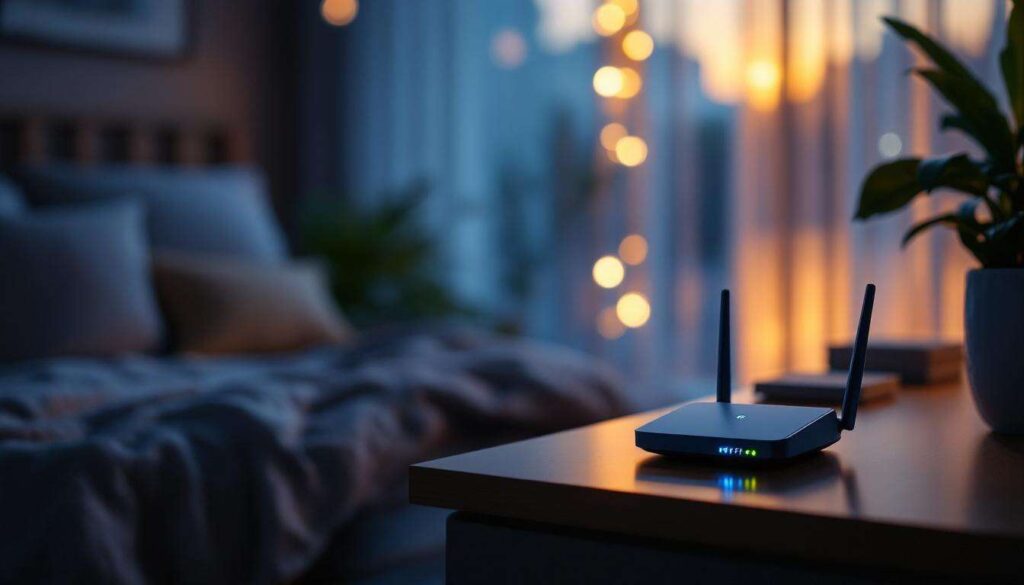
Millions of households leave their WiFi routers running continuously, unaware that this habit may affect both their wellbeing and monthly expenses. Recent studies have prompted experts to recommend a simple yet effective practice: switching off wireless internet connections during sleeping hours. This straightforward action addresses growing concerns about electromagnetic field exposure whilst simultaneously reducing energy consumption. As awareness increases about the potential impacts of constant connectivity, many families are reconsidering their approach to home networking technology.
Understanding the health effects of WiFi
Electromagnetic radiation and sleep quality
WiFi routers emit radiofrequency electromagnetic fields continuously when operational. Research from various health institutions suggests that prolonged exposure to these emissions, particularly during rest periods, may interfere with natural sleep patterns. The World Health Organisation classifies radiofrequency electromagnetic fields as possibly carcinogenic, though evidence remains under ongoing investigation.
Studies indicate that electromagnetic radiation can affect:
- Melatonin production, the hormone responsible for regulating sleep cycles
- Brain activity during deep sleep phases
- Cellular repair processes that occur primarily at night
- Overall sleep quality and duration
Documented symptoms and concerns
Individuals reporting electromagnetic hypersensitivity describe various symptoms when exposed to wireless signals. Whilst medical consensus on this condition remains divided, reported effects include headaches, fatigue, concentration difficulties and sleep disturbances. The French National Frequency Agency recommends limiting exposure, especially for vulnerable populations such as children and pregnant women.
| Population group | Recommended precaution level | Reason |
|---|---|---|
| Children | High | Developing nervous systems |
| Pregnant women | High | Foetal development concerns |
| General adults | Moderate | Preventive approach |
These health considerations naturally lead to practical questions about managing WiFi usage effectively.
Why turn off WiFi at night ?
Creating an electromagnetic-free sleeping environment
The bedroom should serve as a sanctuary for rest and recovery. By deactivating WiFi during sleeping hours, households eliminate one significant source of electromagnetic field exposure for approximately eight hours daily. This practice aligns with recommendations from various health authorities advocating for the precautionary principle regarding wireless technology exposure.
Bedrooms typically contain multiple electronic devices, and switching off the router reduces cumulative electromagnetic field levels. Many users report improved sleep quality after implementing this simple change, though individual experiences vary considerably.
Reducing unnecessary connectivity
Most household internet usage occurs during waking hours. Between midnight and morning, active internet consumption typically drops dramatically, making WiFi largely redundant. Exceptions exist for:
- Scheduled software updates on computers and smartphones
- Smart home security systems requiring constant connectivity
- Remote workers in different time zones
- Medical monitoring devices
For households without these specific requirements, night-time disconnection presents minimal inconvenience whilst potentially offering health advantages. Beyond wellbeing considerations, this practice delivers tangible financial benefits.
The economic benefits of night-time WiFi shutdown
Quantifying energy savings
WiFi routers consume electricity continuously when operational. Whilst individual router power consumption appears modest, cumulative annual costs prove surprisingly significant. A typical router draws between 6 and 20 watts depending on model and specifications.
| Router power consumption | Daily cost (8 hours off) | Annual savings |
|---|---|---|
| 10 watts | £0.03 | £10.95 |
| 15 watts | £0.045 | £16.43 |
| 20 watts | £0.06 | £21.90 |
These calculations assume average UK electricity rates of approximately £0.30 per kilowatt-hour. Whilst individual savings may seem modest, collective household reductions contribute meaningfully to both personal budgets and environmental sustainability goals.
Extending equipment lifespan
Electronic devices experience wear through continuous operation. Heat generation, component stress and constant electrical flow gradually degrade router components. By providing regular rest periods, households may extend equipment lifespan by several months or years, delaying replacement costs. Modern routers typically cost between £30 and £150, making longevity economically relevant.
Understanding these benefits naturally prompts questions about implementation methods.
How to schedule automatic WiFi shutdown
Using built-in router features
Many contemporary routers include scheduling functions within their administration interfaces. Accessing these settings typically requires:
- Opening a web browser and entering the router’s IP address (commonly 192.168.1.1 or 192.168.0.1)
- Logging in with administrator credentials
- Locating wireless settings or advanced configuration options
- Finding the scheduling or timer function
- Setting desired on/off times
Popular router manufacturers including BT, Virgin Media, Sky and TalkTalk offer varying levels of scheduling capability. The exact procedure differs by model, but most modern devices provide this functionality through intuitive interfaces.
Alternative solutions for older equipment
Routers lacking built-in scheduling can utilise external timer plugs. These inexpensive devices (typically £10-£20) allow users to programme electrical supply schedules. Digital timers offer greater flexibility than mechanical alternatives, permitting multiple on/off cycles and accommodating varying daily schedules.
When implementing automatic shutdown, consider household requirements carefully to avoid disrupting essential services. These technical solutions complement broader strategies for responsible connectivity.
Advice for responsible WiFi usage
Optimising router placement
Beyond scheduling, strategic router positioning reduces unnecessary exposure. Place routers in central living areas rather than bedrooms or spaces where people spend extended periods. Maintain distance between wireless equipment and frequently occupied zones, particularly children’s rooms and sleeping areas.
Additional recommendations include:
- Positioning routers at least two metres from beds and seating areas
- Avoiding placement near baby monitors or cribs
- Using wired connections where practical for stationary devices
- Adjusting transmission power settings if router specifications allow
Balancing connectivity and wellbeing
Responsible WiFi usage involves conscious decision-making about when connectivity truly serves household needs. Consider implementing device-free periods during meals, family time and before sleep. Many smartphones and tablets offer aeroplane mode, providing individual control over wireless exposure without affecting other household members.
Regular assessment of internet habits helps families identify opportunities to reduce unnecessary connectivity whilst maintaining modern lifestyle benefits. This balanced approach acknowledges technology’s value whilst prioritising health and financial considerations.
Switching off WiFi during sleeping hours represents a simple yet potentially impactful lifestyle adjustment. The practice addresses health concerns related to electromagnetic field exposure whilst delivering modest but meaningful energy savings. Modern routers increasingly incorporate scheduling features, making implementation straightforward for most households. Strategic placement and conscious usage patterns complement night-time shutdown, creating a comprehensive approach to responsible connectivity. Whether motivated by health considerations, economic benefits or environmental consciousness, this accessible practice empowers households to take control of their wireless technology usage without sacrificing modern convenience.