



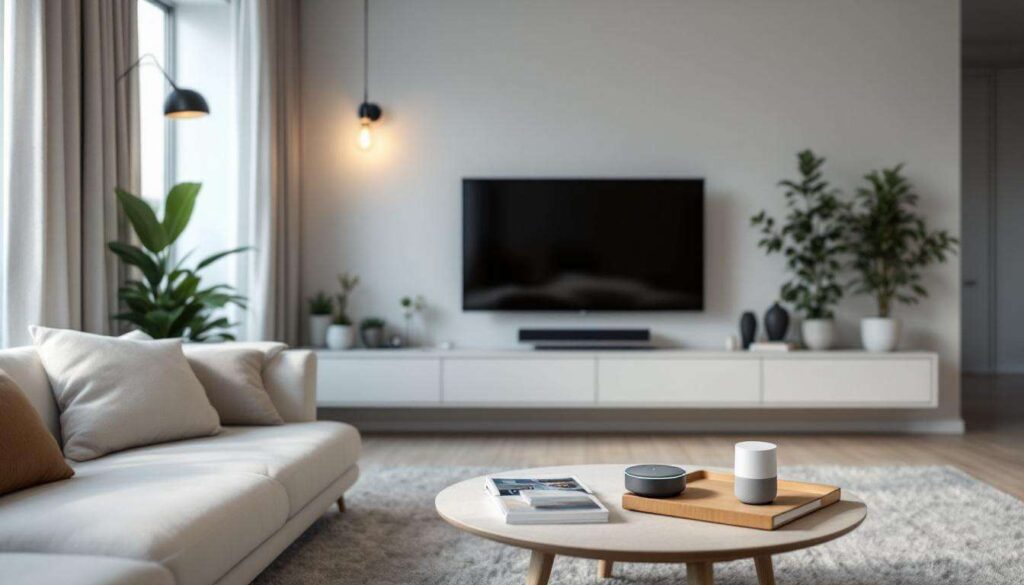
Smart home technology promises convenience and efficiency, yet many households find themselves overwhelmed by an excess of connected devices that complicate rather than simplify daily life. The most effective approach to creating a truly functional smart home often involves removing unnecessary gadgets before adding new ones. This counterintuitive strategy allows homeowners to build a streamlined system where each device serves a genuine purpose and contributes meaningfully to domestic routines.
Define your needs first
Assessing your actual requirements
Before investing in any smart home technology, honest evaluation of household needs forms the foundation of effective planning. Many consumers purchase devices based on novelty rather than necessity, resulting in cluttered systems that generate frustration rather than convenience. Begin by examining your daily routines and identifying genuine pain points that technology could address.
- Morning routines that could benefit from automation
- Security concerns requiring monitoring solutions
- Energy consumption patterns worth optimising
- Accessibility challenges for household members
- Entertainment preferences and usage patterns
Distinguishing wants from needs
The distinction between essential devices and luxury gadgets remains crucial for building a sustainable smart home ecosystem. A smart thermostat that reduces energy bills whilst maintaining comfort represents a genuine need for most households. Conversely, a connected toaster that sends notifications when bread reaches optimal crispness typically falls into the category of unnecessary complexity.
Creating a prioritised list helps clarify which technologies deserve investment. Devices that address multiple functions generally provide better value than single-purpose gadgets. For instance, a smart display can serve as a control hub, video communication device, and entertainment centre, whilst occupying minimal space and requiring only one power connection.
Understanding these fundamentals establishes the groundwork for making informed decisions about which technologies to eliminate and which to retain.
Disconnect to refocus better
The paradox of excessive connectivity
Ironically, too many connected devices can diminish the quality of home life rather than enhance it. When every appliance demands attention through notifications, updates, and maintenance requirements, the mental burden becomes substantial. Research indicates that notification overload contributes to stress and reduces productivity, defeating the original purpose of smart home technology.
| Number of devices | Average daily notifications | User satisfaction rating |
|---|---|---|
| 1-5 devices | 8-15 notifications | 4.2/5 |
| 6-12 devices | 25-40 notifications | 3.1/5 |
| 13+ devices | 50+ notifications | 2.3/5 |
Streamlining for mental clarity
Removing redundant devices creates mental space for focusing on activities that genuinely matter. When households eliminate gadgets that require constant attention without providing proportional value, residents report improved satisfaction with their remaining technology. This selective approach transforms smart homes from sources of distraction into genuine assistants.
Consider devices that operate autonomously in the background, requiring minimal interaction whilst delivering consistent benefits. Motion-activated lighting, for example, provides convenience without demanding attention, whereas devices requiring frequent manual adjustments or troubleshooting create ongoing frustration.
This principle of selective connectivity naturally leads to considerations about how technology choices impact home safety and operational efficiency.
Safety and efficiency: the case for reducing technology
Security vulnerabilities in overcomplicated systems
Each connected device represents a potential entry point for security breaches. Households with numerous smart gadgets exponentially increase their vulnerability to cyber attacks. Devices from lesser-known manufacturers often lack robust security protocols, creating weak points in home networks that malicious actors can exploit.
- Outdated firmware on forgotten devices
- Default passwords never changed
- Unnecessary data collection by multiple manufacturers
- Complex networks difficult to monitor effectively
- Increased surface area for potential breaches
Operational reliability through simplification
Fewer devices mean fewer potential failure points within your smart home ecosystem. When systems rely on multiple interconnected gadgets, a single malfunction can cascade throughout the network, rendering numerous functions inoperable. Streamlined setups prove more resilient and easier to troubleshoot when problems inevitably arise.
The requirement for hubs to operate certain devices adds another layer of complexity that can compromise reliability. Direct connectivity solutions eliminate intermediary devices, reducing both cost and potential points of failure whilst simplifying the overall system architecture.
Beyond security and reliability, the physical environment itself benefits from thoughtful technology reduction.
Optimising space: how decluttering enhances the home
Physical footprint considerations
Smart devices occupy valuable space through their physical presence, charging cables, and associated infrastructure. Visual clutter from excessive gadgets diminishes the aesthetic appeal of living spaces, whilst tangled cables create hazards and complicate cleaning routines. Reducing device count immediately improves the visual harmony of rooms.
Creating functional living areas
Each unnecessary device removed frees up electrical outlets, surface area, and mental bandwidth for activities that enhance quality of life. Countertops previously occupied by redundant gadgets become available for food preparation, family activities, or simply remaining clear and uncluttered. This physical decluttering contributes to a sense of calm and control within the home environment.
Consider multi-functional furniture and built-in solutions that integrate essential technology without compromising living space. Wall-mounted tablets can serve as control centres whilst preserving counter space, and wireless charging stations eliminate cable proliferation.
The environmental implications of our technology choices extend beyond the immediate household.
Ecological impact: fewer gadgets for a greener home
Manufacturing and disposal consequences
The production of electronic devices consumes substantial natural resources and generates significant carbon emissions. Rare earth minerals required for modern electronics often come from environmentally damaging mining operations. By limiting device purchases to genuine necessities, households reduce their contribution to these environmental pressures.
| Device type | Manufacturing carbon footprint | Average lifespan |
|---|---|---|
| Smart speaker | 15-20 kg CO2 | 3-4 years |
| Security camera | 8-12 kg CO2 | 4-6 years |
| Smart bulb | 2-4 kg CO2 | 2-3 years |
Ongoing energy consumption
Connected devices draw power continuously, even in standby mode. Phantom energy consumption from multiple gadgets accumulates substantially over time, increasing electricity bills and environmental impact. Removing unnecessary devices directly reduces household energy consumption and associated carbon emissions.
Prioritising energy-efficient devices that serve multiple purposes maximises environmental benefits whilst maintaining functionality. Quality over quantity becomes both an ecological imperative and a practical strategy for sustainable smart home development.
These considerations inform strategic decisions about where to allocate limited resources.
Investing in essentials: where to place your technological priorities
High-impact device categories
Certain smart home technologies deliver disproportionate value relative to their cost and complexity. Smart thermostats optimise energy usage whilst maintaining comfort, typically paying for themselves through reduced utility bills. Security systems provide peace of mind and potential insurance discounts, justifying their ongoing costs through tangible benefits.
- Climate control systems for energy efficiency
- Security cameras and smart locks for protection
- Lighting automation for convenience and safety
- Leak detectors for preventing costly damage
- Smoke and carbon monoxide detectors with smart alerts
Evaluating new technologies
Recent innovations showcase the potential for genuinely transformative devices that justify their place in modern homes. Robotic vacuum cleaners capable of navigating stairs eliminate a significant household chore, whilst wireless charging for smart locks addresses a common frustration point. These advancements represent meaningful improvements rather than incremental features.
When considering new purchases, evaluate whether the device solves a genuine problem, integrates seamlessly with existing systems, and requires minimal ongoing maintenance. Technologies that work autonomously in the background provide superior value compared to gadgets demanding constant interaction and attention.
Strategic investment in essential technologies creates a foundation for a truly functional smart home that enhances rather than complicates daily life.
The path to an effective smart home begins with subtraction rather than addition. By removing unnecessary devices, households create space for technologies that genuinely improve daily routines whilst reducing security vulnerabilities, environmental impact, and mental clutter. Defining actual needs before making purchases prevents accumulation of redundant gadgets that complicate rather than simplify domestic life. Strategic investment in high-quality, multi-functional devices delivers superior results compared to proliferating single-purpose gadgets throughout the home. This disciplined approach transforms smart home technology from a source of frustration into a valuable tool that operates seamlessly in the background, enhancing comfort, security, and efficiency without demanding constant attention.