



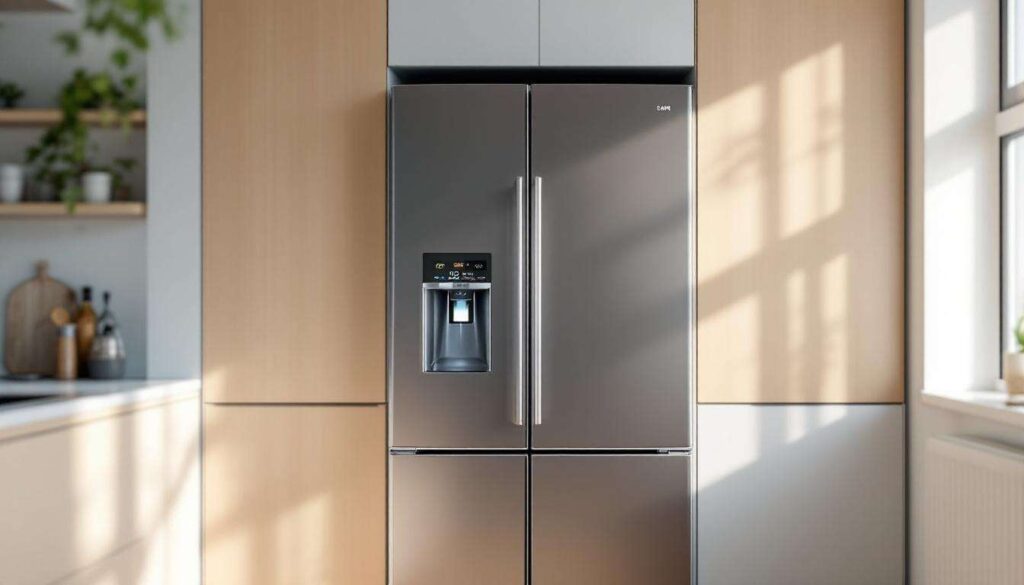
The kitchen has long been the heart of the home, but now it’s becoming its brain. As artificial intelligence seeps into every corner of our domestic spaces, the latest frontier is our refrigerators. Samsung’s partnership with Google to embed Gemini AI into household appliances promises a revolution in how we interact with our kitchens. Yet this technological leap forward raises uncomfortable questions about surveillance, necessity, and whether we’re sacrificing too much privacy for the sake of convenience.
Understanding Google Gemini and its features
What is Google Gemini ?
Google Gemini represents the company’s most advanced artificial intelligence model, designed to compete directly with OpenAI’s ChatGPT and other large language models. Gemini is a multimodal AI system, meaning it can process and understand various types of information simultaneously, including text, images, audio, and video. This versatility sets it apart from earlier AI assistants that were primarily text-based.
The technology behind Gemini draws upon Google’s extensive experience in machine learning and its vast data infrastructure. It can engage in natural conversations, answer complex questions, generate creative content, and perform analytical tasks with remarkable accuracy. Its ability to understand context and nuance makes it particularly suited for integration into everyday devices.
Key capabilities of the AI assistant
Gemini’s functionality extends far beyond simple voice commands. The system offers several distinctive capabilities:
- Real-time image recognition and analysis
- Natural language processing for conversational interactions
- Contextual awareness based on user habits and preferences
- Integration with Google’s ecosystem of services and applications
- Predictive suggestions based on historical data
- Multi-device synchronisation across platforms
These features enable Gemini to function as more than just a reactive assistant. It can anticipate needs, offer proactive recommendations, and learn from user behaviour to improve its performance over time. The AI’s ability to process visual information proves particularly relevant for kitchen applications, where it could theoretically identify food items, assess freshness, and suggest recipes based on available ingredients.
How Gemini differs from previous AI assistants
Earlier generations of AI assistants, including Google’s own Google Assistant, operated within more limited parameters. Gemini represents a quantum leap in sophistication, with enhanced reasoning abilities and a deeper understanding of context. Where previous systems might struggle with ambiguous requests or complex multi-step tasks, Gemini can break down problems, ask clarifying questions, and provide more nuanced responses.
The multimodal nature of Gemini also distinguishes it from predecessors. Rather than treating different types of input as separate streams, it synthesises information holistically, creating a more intuitive and human-like interaction. This advancement makes it theoretically ideal for integration into appliances where users might point at items, speak commands, or expect the system to visually assess situations.
Having established what Gemini is and what it can do, the question becomes how this powerful AI translates into practical applications within our homes, particularly in appliances we use daily.
The integration of Gemini into household appliances
Samsung’s vision for smart home technology
Samsung has positioned itself as a leader in the smart home revolution, with its SmartThings ecosystem connecting everything from washing machines to lighting systems. The integration of Google Gemini into Samsung appliances represents the next phase of this ambitious strategy. The company envisions a home where appliances don’t merely respond to commands but actively participate in household management.
The partnership between Samsung and Google brings together Samsung’s hardware expertise and Google’s AI prowess. Samsung Family Hub refrigerators serve as the flagship for this integration, featuring large touchscreens that could become interfaces for Gemini’s capabilities. The vision extends beyond refrigerators to ovens, washing machines, and other appliances, creating an interconnected network of intelligent devices.
Technical implementation in refrigerators
The technical architecture required to embed Gemini into a refrigerator involves several components:
- High-resolution cameras inside the fridge compartments
- Touchscreen displays on the exterior door
- Microphones for voice interaction
- Wireless connectivity for cloud processing
- Local processing units for basic functions
- Temperature and humidity sensors integrated with AI analysis
The system relies heavily on cloud computing, with most of the AI processing occurring on Google’s servers rather than within the appliance itself. This approach allows for more sophisticated analysis but also raises questions about data transmission and storage. The cameras continuously monitor fridge contents, whilst the AI analyses this visual data to track inventory, identify items, and assess their condition.
Expected rollout and availability
Samsung has begun introducing Gemini integration gradually, starting with premium models in select markets. The technology is expected to become more widespread across the company’s appliance range over the coming years. Initial implementations focus on high-end Family Hub models, which already feature screens and connectivity, making them natural candidates for AI enhancement.
The phased approach allows Samsung and Google to refine the technology based on early user feedback and address any technical or privacy concerns that emerge. However, this gradual rollout also means that many consumers face decisions about whether to invest in these AI-enabled appliances now or wait for the technology to mature.
With the technical framework established, the practical question emerges: what tangible benefits does this AI integration actually deliver to users in their daily lives ?
What benefits does a connected Samsung fridge offer ?
Inventory management and food waste reduction
One of the most touted advantages of a Gemini-enabled refrigerator is intelligent inventory tracking. The AI can theoretically identify every item placed in the fridge, monitor expiration dates, and alert users when food is approaching its use-by date. This capability could significantly reduce household food waste, which represents both an environmental concern and a financial burden.
The system can generate shopping lists automatically based on depleted items and even distinguish between similar products, recognising brands and varieties. For households managing dietary restrictions or preferences, the AI could flag items that don’t align with nutritional goals or alert users to potential allergens.
Recipe suggestions and meal planning
Gemini’s integration enables the fridge to function as a culinary advisor. By analysing available ingredients, the AI can suggest recipes that utilise items nearing expiration, reducing waste whilst inspiring meal variety. The system can accommodate dietary preferences, skill levels, and time constraints, offering personalised recommendations rather than generic suggestions.
The AI can also provide step-by-step cooking guidance, display recipes on the fridge’s screen, and even adjust portion sizes based on household needs. For users who struggle with meal planning, this feature transforms the refrigerator from a storage unit into an active participant in household nutrition management.
Energy efficiency and cost savings
Smart refrigerators equipped with AI can optimise energy consumption by learning usage patterns and adjusting cooling cycles accordingly. The system might recognise that the fridge door opens frequently during certain hours and pre-cool in anticipation, or it might enter energy-saving modes during periods of low activity.
| Feature | Potential saving | Annual impact |
|---|---|---|
| Optimised cooling cycles | 8-12% energy reduction | £15-25 on electricity bills |
| Food waste reduction | 15-20% less waste | £200-300 in saved groceries |
| Efficient shopping | Fewer unnecessary purchases | £100-150 annually |
These benefits paint an appealing picture of convenience and efficiency, yet they come with significant trade-offs that deserve careful examination.
Privacy and security concerns
Data collection and storage practices
The functionality of a Gemini-enabled refrigerator depends entirely on continuous data collection. Cameras photograph the fridge’s contents multiple times daily, creating a detailed record of household consumption patterns. This data, combined with voice recordings, usage patterns, and potentially even thermal imaging, creates an extraordinarily intimate portrait of domestic life.
Google’s business model has historically relied on data collection for advertising purposes, raising questions about how information from smart appliances might be utilised. Whilst the company maintains that user privacy is protected, the sheer volume of personal information flowing through these devices creates potential vulnerabilities.
Potential vulnerabilities and risks
Connected appliances introduce several security concerns:
- Hacking risks that could expose household routines and habits
- Unauthorised access to cameras and microphones
- Data breaches exposing personal information
- Potential for surveillance by manufacturers or third parties
- Vulnerability to ransomware or malicious software
- Unclear data retention policies and deletion procedures
The Internet of Things has already demonstrated security weaknesses, with numerous incidents of compromised smart devices. A refrigerator might seem like an unlikely target, but the data it collects could prove valuable to advertisers, insurance companies, or malicious actors.
Who has access to your kitchen data ?
The question of data access remains murky. Google’s terms of service grant the company broad rights to use data for service improvement and potentially for advertising purposes. Samsung, as the hardware manufacturer, also collects information about appliance performance and usage. Third-party service providers, cloud storage companies, and potentially government agencies under certain circumstances might also access this data.
Users typically agree to these arrangements through lengthy terms of service documents that few read thoroughly. The asymmetry between user understanding and corporate data access creates an imbalanced relationship where consumers may not fully grasp what they’re consenting to when they connect their refrigerator to the internet.
These privacy concerns exist within a broader context of how technology is reshaping our relationship with our homes and our daily routines.
The impact of technology on our daily lives
Convenience versus autonomy
Smart appliances promise to simplify life by automating decisions and reducing cognitive load. However, this convenience comes at the cost of personal autonomy. When an AI suggests meals, generates shopping lists, and monitors consumption, it subtly shapes behaviour and preferences. The line between helpful assistance and intrusive management becomes increasingly blurred.
There’s also the question of skill atrophy. If we rely on AI to manage our kitchens, plan our meals, and remind us of expiration dates, do we lose the ability to perform these tasks independently ? The convenience of technology can create dependency, leaving users helpless when systems fail or connectivity is lost.
The erosion of private spaces
Homes have traditionally represented private sanctuaries, spaces free from external observation and commercial influence. The introduction of always-on, internet-connected devices fundamentally alters this dynamic. A refrigerator with cameras and microphones transforms the kitchen from a private space into a potentially monitored environment.
This erosion of privacy extends beyond individual concerns to affect household dynamics. Family members might feel uncomfortable knowing that their dietary choices, snacking habits, and kitchen conversations are being recorded and analysed. The psychological impact of living in a surveilled environment, even when the surveillance is ostensibly benign, deserves consideration.
Digital divide and accessibility issues
As appliances become smarter and more expensive, they risk creating or widening social divides. Premium smart refrigerators cost significantly more than conventional models, potentially creating a two-tier system where affluent households benefit from AI assistance whilst others are left behind.
Additionally, these technologies often assume reliable internet connectivity, technical literacy, and comfort with digital interfaces. Elderly users, people with disabilities, or those in areas with poor connectivity may find these appliances more frustrating than helpful, effectively excluding them from the supposed benefits of smart home technology.
These broader impacts raise fundamental questions about whether technological progress always represents genuine improvement.
Should we embrace innovation at all costs ?
Questioning the necessity of AI in appliances
The integration of advanced AI into refrigerators prompts a basic question: is this solving a real problem ? For millennia, humans have managed food storage without artificial intelligence. Refrigerators already perform their core function admirably without cameras, microphones, or internet connectivity. The addition of AI addresses convenience and optimisation, but these are wants rather than needs.
The technology industry often creates solutions in search of problems, driven by commercial imperatives rather than genuine user needs. A smart fridge might offer marginal improvements in efficiency or convenience, but whether these benefits justify the costs, complexity, and privacy trade-offs remains debatable.
Alternative approaches to smart living
Households seeking efficiency and organisation have numerous options that don’t involve AI-enabled appliances:
- Traditional inventory management using lists and labels
- Meal planning apps on smartphones that don’t require appliance integration
- Simple practices like organising fridges by expiration date
- Energy-efficient appliances without connectivity features
- Community sharing systems for reducing food waste
These approaches maintain user control and privacy whilst still addressing the underlying goals of reducing waste and improving household management. They represent a middle ground between technological rejection and uncritical adoption.
Finding balance in a connected world
The challenge facing consumers is not whether to reject technology entirely but how to engage with it thoughtfully. This might mean adopting some smart home features whilst drawing boundaries around others. A household might embrace smart thermostats for genuine energy savings whilst declining smart refrigerators that offer questionable benefits at significant privacy costs.
Manufacturers and policymakers also bear responsibility for creating frameworks that protect users. Stronger data protection regulations, transparent privacy policies, and meaningful consent mechanisms could make smart appliances more palatable to privacy-conscious consumers. The option to use appliances without connectivity, or with limited AI features, should remain available rather than forcing consumers into all-or-nothing choices.
The enthusiasm surrounding artificial intelligence in household appliances reflects broader societal tensions between progress and prudence. Gemini-enabled refrigerators represent impressive technical achievements, offering genuine benefits in inventory management, meal planning, and energy efficiency. Yet these advantages come bundled with significant privacy concerns, security vulnerabilities, and questions about whether we’re solving real problems or creating new dependencies. The decision to invite AI into our kitchens ultimately reflects personal values about convenience, privacy, and the role of technology in domestic life. Rather than embracing innovation uncritically or rejecting it entirely, consumers deserve the information and options to make informed choices about which technologies genuinely improve their lives and which merely add complexity to spaces that functioned perfectly well without them.