



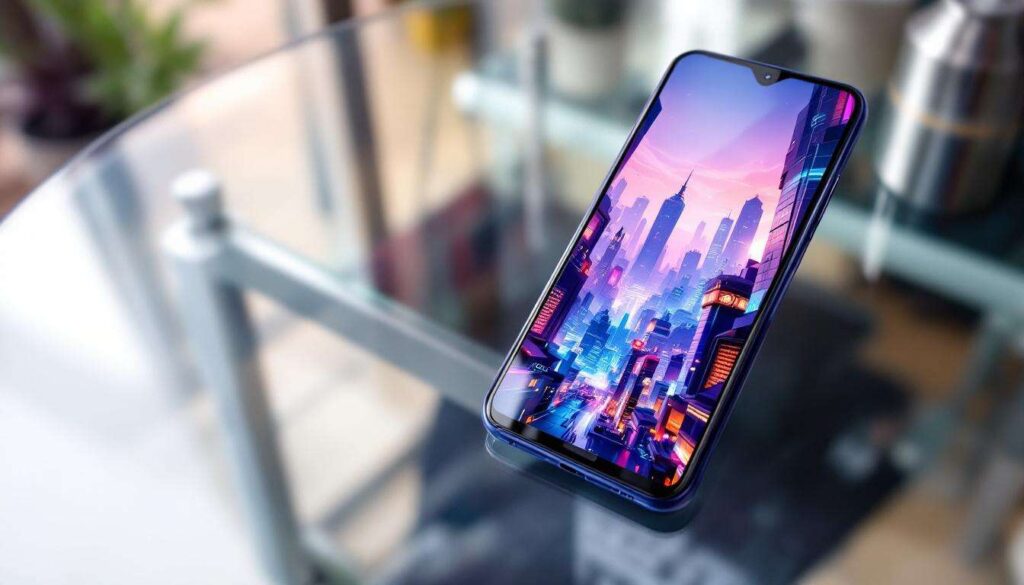
Smartphones have become essential tools in our daily lives, yet purchasing brand-new devices often comes with a hefty price tag and significant environmental consequences. The refurbished smartphone market has matured considerably, offering consumers reliable alternatives that combine quality, affordability, and sustainability. Android devices, with their diverse range of manufacturers and models, dominate this sector, providing options for every budget and requirement. Understanding what makes a refurbished Android smartphone worth purchasing requires examining various factors, from technical specifications to warranty coverage and seller reputation.
Why choose a refurbished Android smartphone in 2026
Environmental sustainability and reduced carbon footprint
The environmental impact of smartphone production remains substantial, with manufacturing processes consuming vast amounts of energy and raw materials. Choosing a refurbished Android device directly contributes to reducing electronic waste and minimising the demand for new production. Each refurbished smartphone prevents approximately 47 kilograms of carbon dioxide emissions compared to manufacturing a new device. The extraction of rare earth metals, including lithium, cobalt, and tantalum, causes significant environmental damage through mining operations that disrupt ecosystems and consume water resources.
Access to premium features at lower prices
Refurbished Android smartphones enable consumers to access flagship specifications that would otherwise remain financially out of reach. A premium device from two years prior often matches or exceeds the capabilities of current mid-range models whilst costing significantly less. The depreciation curve for smartphones proves particularly steep during the first year, meaning buyers can acquire devices with advanced camera systems, high-refresh-rate displays, and powerful processors at fraction of their original retail prices.
Technological maturity and software stability
Established Android models benefit from mature software ecosystems with resolved bugs and optimised performance. Manufacturers have addressed initial launch issues, and the user community has identified potential problems and solutions. This maturity translates into a more reliable user experience compared to brand-new models that may still contain undiscovered software flaws or compatibility issues with certain applications and services.
Having established the compelling reasons for considering refurbished devices, the next crucial step involves understanding which specific characteristics distinguish excellent refurbished smartphones from mediocre options.
The criteria for selecting a good refurbished smartphone
Battery health and replacement policies
The battery condition represents the most critical factor when evaluating refurbished smartphones. Lithium-ion batteries degrade with each charge cycle, typically retaining 80% capacity after 500 full cycles. Reputable refurbishment programmes replace batteries that fall below this threshold, ensuring devices maintain adequate daily performance. Consumers should verify whether the refurbisher provides battery health certifications and inquire about the specific testing procedures employed to assess battery capacity.
Cosmetic grading systems
Understanding cosmetic grading classifications helps set appropriate expectations regarding the device’s physical appearance. Most refurbishers employ tiered systems:
- Grade A or Excellent: minimal to no visible wear, potentially indistinguishable from new devices
- Grade B or Good: light scratches or minor marks that don’t affect functionality
- Grade C or Fair: noticeable cosmetic imperfections including deeper scratches or dents
- Grade D or Acceptable: significant visible wear whilst maintaining full operational capability
Software update longevity
The remaining software support lifecycle determines how long the device will receive security patches and feature updates. Android manufacturers typically provide three to five years of updates from the original launch date. Purchasing a device released within the past two years maximises the remaining support window, ensuring continued protection against security vulnerabilities and access to new Android features.
Hardware inspection and testing protocols
Comprehensive refurbishment processes should include systematic testing of all hardware components. This encompasses touchscreen responsiveness, camera functionality, speaker and microphone quality, charging port integrity, and wireless connectivity features. Professional refurbishers conduct multi-point inspections covering typically between 30 and 70 individual tests before certifying a device as ready for resale.
With these selection criteria established, examining which manufacturers offer the best value and reliability in the refurbished market becomes the logical progression.
The best brands of refurbished Android smartphones
Samsung Galaxy series advantages
Samsung devices dominate the refurbished Android market due to their widespread availability and robust build quality. The Galaxy S and Note series offer premium specifications including excellent camera systems, vibrant AMOLED displays, and comprehensive software support. Samsung’s commitment to four years of security updates and three generations of Android upgrades makes their devices particularly attractive in the refurbished sector. Models such as the Galaxy S21, S22, and S23 series provide exceptional value when purchased refurbished.
Google Pixel reliability and software excellence
The Google Pixel range delivers unparalleled software experiences with guaranteed updates directly from Google. These devices receive five years of security patches and major Android version updates, significantly extending their useful lifespan. The Pixel’s computational photography capabilities remain competitive even as devices age, with software enhancements continuing to improve camera performance through updates. The Pixel 6, 7, and 8 series represent outstanding refurbished options.
OnePlus performance and value proposition
OnePlus smartphones have built reputations for delivering flagship specifications at competitive prices. Their devices feature high-refresh-rate displays, rapid charging technologies, and clean software implementations. The OnePlus 9, 10, and 11 series maintain excellent performance characteristics, making them compelling refurbished purchases for users prioritising speed and responsiveness.
Other noteworthy manufacturers
Several additional brands merit consideration in the refurbished market:
- Xiaomi: offers exceptional hardware specifications at aggressive price points
- Motorola: provides near-stock Android experiences with reliable build quality
- Sony Xperia: delivers unique features including headphone jacks and professional camera controls
- ASUS ROG Phone: specialises in gaming-focused specifications and cooling systems
Beyond brand selection, understanding the financial advantages of choosing refurbished devices reveals the broader economic picture.
The economic benefits of refurbished smartphones
Comparative pricing analysis
The cost savings associated with refurbished smartphones prove substantial across all price segments. Premium flagship devices typically experience 40-60% depreciation within the first year, with further reductions in subsequent years. A smartphone originally retailing at £1,000 might cost £400-500 when refurbished after 18 months, representing significant financial savings whilst delivering comparable performance for most use cases.
| Device age | Typical discount | Remaining software support |
|---|---|---|
| 6-12 months | 25-35% | 4-5 years |
| 12-24 months | 40-55% | 3-4 years |
| 24-36 months | 60-70% | 2-3 years |
Total cost of ownership considerations
Evaluating the total ownership costs extends beyond the initial purchase price. Refurbished devices from reputable sellers include warranties that protect against defects, reducing potential repair expenses. The lower initial investment also means reduced financial impact if the device suffers accidental damage, as replacement costs remain more manageable compared to flagship-priced alternatives.
Opportunity cost and alternative investments
The money saved through purchasing refurbished devices can be redirected towards other priorities, whether building emergency funds, investing, or acquiring complementary technology such as wireless earbuds or smartwatches. For families requiring multiple devices, choosing refurbished options makes equipping all household members financially feasible without compromising on quality or functionality.
These economic advantages become even more valuable when paired with comprehensive warranty protection and reliable customer support structures.
The warranties and after-sales services for refurbished smartphones
Standard warranty coverage expectations
Reputable refurbishment companies provide minimum warranty periods ranging from six months to one year, with premium sellers offering extended coverage up to two years. These warranties typically cover manufacturing defects, hardware failures, and component malfunctions that occur under normal usage conditions. Cosmetic damage, water damage, and issues resulting from unauthorised repairs generally fall outside warranty protection.
Return policies and satisfaction guarantees
Return windows allow customers to evaluate devices and ensure they meet expectations. Professional refurbishers offer 14 to 30-day return periods during which buyers can return devices for full refunds if unsatisfied with performance or condition. This risk-free trial period provides essential consumer protection, particularly when purchasing devices sight unseen through online channels.
Technical support availability
Quality refurbishment programmes include accessible customer support through multiple channels including telephone, email, and live chat services. Technical assistance helps users troubleshoot software issues, understand device features, and navigate warranty claims. The availability of knowledgeable support staff distinguishes professional operations from casual resellers who provide minimal post-purchase assistance.
Repair and replacement procedures
Understanding the warranty claim process proves essential before purchasing. Reputable sellers maintain transparent procedures outlining how to report issues, whether devices require return shipping, and typical resolution timeframes. Some companies provide advance replacement services, dispatching substitute devices before receiving defective units, minimising disruption to users’ daily routines.
Armed with knowledge about warranty protections, consumers can confidently navigate the purchasing process by following established safety guidelines.
Tips for safely buying a refurbished smartphone
Verifying seller credentials and reputation
Researching seller backgrounds represents the first line of defence against fraudulent or substandard refurbishment operations. Established companies maintain verifiable business registrations, physical addresses, and extensive customer review histories. Examining independent review platforms such as Trustpilot reveals patterns in customer satisfaction, common complaints, and how companies handle disputes. Sellers with consistently high ratings and transparent communication practices merit greater trust.
Checking device authenticity and IMEI status
Verifying that devices are genuine products rather than counterfeit replicas protects against fraud. The International Mobile Equipment Identity (IMEI) number serves as each device’s unique identifier. Buyers should confirm the IMEI matches the device and check it against blacklist databases to ensure the phone hasn’t been reported stolen or carries outstanding financial obligations. Several free online services provide IMEI verification.
Understanding certification standards
Various certification programmes establish quality benchmarks for refurbished electronics. Certifications such as Certified Pre-Owned, Manufacturer Refurbished, or industry-standard refurbishment protocols indicate devices have undergone systematic testing and restoration. Manufacturer-refurbished devices, reconditioned by original equipment manufacturers, typically command premium prices but offer maximum reliability assurance.
Payment security and fraud prevention
Using secure payment methods provides essential buyer protection. Credit cards and payment services such as PayPal offer dispute resolution mechanisms and purchase protection that can recover funds if sellers fail to deliver products or misrepresent device conditions. Avoiding direct bank transfers or unconventional payment methods reduces vulnerability to fraud. Additionally, purchasing through established marketplaces with buyer protection programmes adds another security layer.
Documentation and proof of purchase
Maintaining comprehensive records facilitates warranty claims and potential returns. Buyers should preserve order confirmations, receipts, warranty certificates, and all correspondence with sellers. Photographing or videoing the unboxing process documents the device’s condition upon arrival, providing evidence if disputes arise regarding pre-existing damage or missing accessories.
The refurbished Android smartphone market offers compelling opportunities for consumers seeking quality devices without the premium pricing of new models. Environmental benefits complement financial savings, whilst mature software and established hardware deliver reliable performance. Selecting appropriate devices requires evaluating battery health, cosmetic condition, and remaining software support, with brands such as Samsung, Google Pixel, and OnePlus leading the refurbished sector. Comprehensive warranties and transparent after-sales services from reputable sellers provide essential consumer protection. By verifying seller credentials, checking device authenticity, and using secure payment methods, buyers can confidently navigate the refurbished market and acquire excellent smartphones that meet their needs whilst supporting sustainable consumption patterns.