



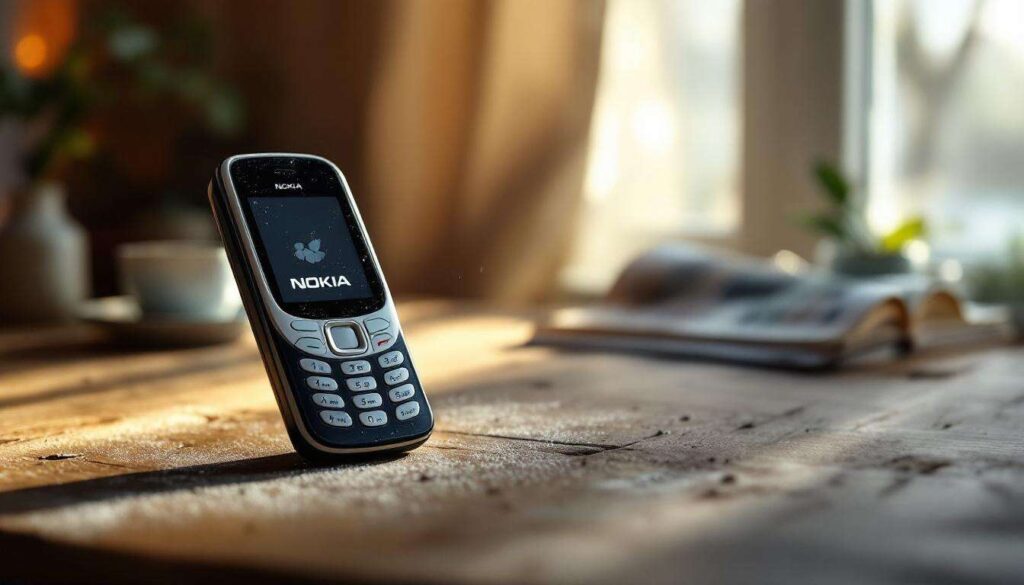
The humble Nokia mobile phone, once a ubiquitous presence in pockets and handbags across the globe, has transformed from a simple communication device into a potential treasure trove for collectors and enthusiasts. Those dusty handsets gathering cobwebs in drawers might represent more than mere nostalgia; they could be worth substantial sums of money. As the vintage technology market continues to flourish, certain Nokia models have become highly sought-after commodities, commanding prices that would astonish their original owners. Understanding which models hold value, what collectors seek, and how to properly evaluate your device can make the difference between discarding a relic and discovering a hidden asset.
Value of old Nokia models in the current market
Current pricing landscape for vintage Nokia devices
The market for vintage Nokia phones has experienced remarkable growth over recent years, with certain models fetching prices that range from modest sums to several thousand pounds. Standard models like the Nokia 3310 typically sell for £30 to £80 in good condition, whilst rarer editions can command significantly higher prices. Limited edition models and phones in pristine, unopened packaging represent the premium tier of the market, occasionally reaching four-figure sums at specialist auctions.
| Nokia Model | Average Value (Used) | Mint Condition Value |
|---|---|---|
| Nokia 3310 | £30-£80 | £150-£300 |
| Nokia 8800 Arte | £200-£400 | £800-£1,500 |
| Nokia 8110 (Banana Phone) | £50-£120 | £200-£400 |
| Nokia 7280 | £80-£150 | £250-£500 |
Factors driving market values
Several elements contribute to the fluctuating values within the vintage Nokia market. Rarity stands as the primary driver, with discontinued models and limited production runs naturally commanding premium prices. The cultural significance of certain handsets also plays a crucial role; phones featured in popular films or associated with particular eras of technological innovation tend to attract higher bids. Market demand shifts periodically as new generations discover these devices, creating waves of interest that can temporarily inflate prices for specific models.
Understanding these market dynamics helps potential sellers determine whether current conditions favour immediate sale or suggest holding onto devices for potential future appreciation. The intersection of nostalgia, collectability, and functional vintage technology creates a unique marketplace where values can shift based on cultural trends and collector preferences.
Why vintage phones attract collectors
Nostalgia as a primary motivator
Collectors gravitate towards vintage Nokia phones primarily due to powerful nostalgic connections to formative periods in their lives. These devices represent tangible links to the late 1990s and early 2000s, an era when mobile telephony transitioned from luxury to necessity. For many enthusiasts, owning a Nokia 3310 or Nokia 8850 recreates memories of first mobile phone ownership, early text messaging experiences, and the distinctive ringtones that defined a generation. This emotional resonance transforms simple electronic devices into cherished memorabilia.
Design and build quality appreciation
Beyond sentimentality, collectors recognise the exceptional craftsmanship that characterised Nokia’s golden era. These phones featured:
- Robust construction with durable materials that have withstood decades of use
- Distinctive industrial design that prioritised functionality and ergonomics
- Innovative form factors, from the sliding mechanisms to flip designs
- Tactile keypads offering satisfying physical feedback absent from modern touchscreens
- Legendary battery life that remains impressive by contemporary standards
Investment potential and market speculation
Savvy collectors view vintage Nokia phones as alternative investment vehicles, recognising that certain models appreciate over time. The limited supply of well-preserved units, combined with growing demand from younger collectors discovering these devices, creates favourable conditions for value appreciation. Some enthusiasts acquire multiple units of promising models, anticipating future scarcity will drive prices upward. This investment mindset has professionalised portions of the vintage mobile phone market, with dedicated traders monitoring auction results and market trends.
The convergence of emotional attachment, aesthetic appreciation, and financial opportunity explains why vintage Nokia phones have transcended their original purpose to become genuine collectables. These motivations create a diverse collector base, from casual enthusiasts to serious investors, all contributing to the market’s vitality.
The Nokia models that are worth a small fortune
Premium luxury models
Nokia’s luxury division produced several models that now command exceptional prices in the collectors’ market. The Nokia 8800 Arte, crafted with premium materials including stainless steel and sapphire crystal, regularly sells for £800 to £1,500 in pristine condition. The Nokia 8800 Sirocco Edition, with its distinctive scratch-resistant casing, achieves similar valuations. These phones represented Nokia’s attempt to compete in the luxury mobile segment, and their limited production runs ensure continued scarcity.
Iconic design classics
Certain models achieved cultural icon status that translates directly into market value. The Nokia 8110, famously featured in The Matrix and nicknamed the “banana phone” due to its curved slider design, commands prices between £200 and £400 for mint examples. The peculiar Nokia 7280, with its lipstick-style design and absence of traditional keypad, appeals to design collectors and can fetch £250 to £500. The original Nokia Communicator 9000, pioneering the smartphone concept, attracts technology historians willing to pay £300 to £600 for functioning units.
Limited editions and special releases
Nokia produced numerous limited edition variants that have become highly prized amongst collectors:
- Nokia 3310 special colour editions, particularly the yellow variant
- Co-branded models created through fashion house partnerships
- Regional exclusives released only in specific markets
- Commemorative editions marking company milestones
- Prototype units that occasionally surface through former employees
These rare variants can command prices several times higher than standard models, with some exceptional examples reaching £2,000 or more at specialist auctions. The combination of scarcity, unique aesthetics, and documented provenance makes these phones particularly attractive to serious collectors.
Identifying whether your old Nokia falls into these valuable categories requires research into model numbers, production years, and specific variants. The potential returns justify the investigative effort, as discovering you own a rare edition can transform a forgotten drawer item into a significant financial asset.
Factors influencing the price of an old Nokia
Condition and completeness
The physical state of a vintage Nokia phone dramatically affects its market value. Devices in mint condition, showing minimal wear and retaining original finishes, command premium prices. Scratches, dents, faded keypads, and screen damage progressively diminish value. Completeness matters equally; phones sold with original packaging, manuals, chargers, and accessories achieve significantly higher prices than handsets alone. Collectors particularly prize unopened, sealed units, which can sell for three to five times the value of used equivalents.
Functionality and working order
Whilst some collectors acquire vintage phones purely for display, functional devices consistently achieve higher valuations. A Nokia that powers on, makes calls, and demonstrates all original features proves more desirable than non-working units. Battery condition presents particular challenges, as original batteries often deteriorate over time. Phones with functioning original batteries or compatible replacements command premiums. Even non-working phones retain value for parts or restoration projects, though typically at substantially reduced prices.
Rarity and production numbers
The scarcity principle operates powerfully within the vintage Nokia market. Models produced in limited quantities or available only briefly naturally command higher prices. Regional exclusives, special editions, and phones from shorter production runs benefit from inherent rarity. Conversely, mass-market models like the standard Nokia 3310, despite their iconic status, remain relatively affordable due to the millions originally sold. Understanding production numbers helps set realistic price expectations.
Market demand and cultural relevance
Current collector interest fluctuates based on cultural factors and generational preferences. Phones featured in popular media, associated with significant technological milestones, or representing particular design movements experience heightened demand. The cyclical nature of nostalgia means that phones from specific eras periodically surge in popularity as those who came of age during those periods enter their peak collecting years. Social media trends and influencer attention can temporarily inflate demand for particular models.
Recognising how these factors interact helps sellers price their vintage Nokia phones appropriately and buyers identify fair market values. The interplay between condition, functionality, rarity, and demand creates a complex valuation landscape where seemingly similar phones can command vastly different prices.
How to assess the condition of your old Nokia phone
External physical inspection
Begin your assessment by conducting a thorough visual examination of the phone’s exterior. Inspect all surfaces under good lighting, noting any scratches, dents, or discolouration. Pay particular attention to high-wear areas including the keypad, screen, and casing edges. Check that all buttons depress and return properly, and examine any sliding or folding mechanisms for smooth operation. The cosmetic condition significantly influences collector appeal, so document all imperfections accurately.
Functional testing procedures
Testing your Nokia’s operational capabilities requires systematic evaluation:
- Power on the device and verify it boots to the home screen
- Test all keypad buttons for responsiveness and proper input registration
- Navigate through menus to confirm screen displays correctly without dead pixels
- Assess speaker and microphone functionality if possible
- Check vibration motor operation
- Verify battery charges and holds power adequately
- Test any special features specific to the model
Authenticity verification
Confirming your Nokia’s authenticity protects against unknowingly possessing or selling counterfeit units. Examine the IMEI number, typically found under the battery, and verify it matches any external labels. Check build quality details; genuine Nokia phones exhibit consistent manufacturing standards, whilst counterfeits often show irregularities in plastic quality, printing clarity, or component fit. Research your specific model’s authentication markers, as different phones have unique verification points.
Documentation and provenance
Gathering supporting documentation enhances your phone’s value and marketability. Locate original purchase receipts, warranty cards, or any paperwork that establishes ownership history and purchase date. Photograph all original accessories, packaging, and documentation. If your phone has interesting provenance, such as purchase from a significant location or connection to a notable event, document this history thoroughly. Collectors value well-documented phones more highly than those with unknown backgrounds.
Accurate condition assessment enables realistic pricing and honest representation when selling, whilst helping you decide whether restoration efforts might prove worthwhile. This evaluation process transforms vague impressions into concrete information that informs your decision to sell or retain your vintage Nokia.
Strategies for selling or keeping your vintage Nokia
Selling platforms and marketplaces
Choosing the appropriate sales venue significantly impacts your vintage Nokia’s final selling price. Online auction platforms like eBay reach broad audiences but involve fees and competition. Specialist vintage technology forums and collector communities offer access to knowledgeable buyers willing to pay premiums for rare models. Social media marketplace groups dedicated to retro phones provide informal selling opportunities. For particularly valuable models, consignment through specialist auction houses ensures professional presentation to serious collectors, though commissions reduce net proceeds.
Pricing strategies for maximum return
Setting the optimal price requires balancing market research with realistic expectations. Study completed sales of identical or similar models to establish baseline values. Consider your phone’s specific condition, completeness, and any unique attributes when adjusting from baseline prices. For auction listings, strategic starting prices can generate bidding momentum, whilst fixed-price listings suit buyers seeking immediate purchase. Seasonal timing matters; listing before nostalgic periods or cultural events related to your phone’s era may attract premium bids.
Reasons to keep your vintage Nokia
Several compelling arguments favour retention over immediate sale:
- Potential appreciation if your model becomes increasingly scarce
- Personal sentimental value that outweighs monetary considerations
- Enjoyment of curating a personal vintage technology collection
- Functional backup phone for emergencies or situations requiring simple devices
- Future family heirlooms representing technological history
Preservation for long-term value
If choosing to retain your Nokia, proper storage and maintenance preserves its condition and future value. Store phones in cool, dry environments away from direct sunlight and temperature extremes. Remove batteries to prevent corrosion damage from leakage. Periodically power on devices to maintain electronic components. Keep all original packaging and accessories together in protective storage. Document your phone’s condition through photographs, creating a record of its state for future reference or eventual sale.
Whether selling immediately or holding for potential appreciation, informed decision-making based on market knowledge, condition assessment, and personal circumstances ensures you maximise value from your vintage Nokia. The choice between liquidating now and preserving for the future depends on individual financial needs, collecting interests, and market timing considerations.
Vintage Nokia phones occupy a unique position in the collectables market, representing both technological history and personal nostalgia. Values vary dramatically based on model rarity, condition, and current collector demand, with certain handsets commanding impressive sums whilst others retain modest worth. Understanding what collectors seek, accurately assessing your phone’s condition, and recognising market factors enables informed decisions about selling or retaining these devices. Whether your old Nokia proves a valuable asset or a cherished keepsake, it represents a tangible connection to the mobile revolution that transformed global communication.