



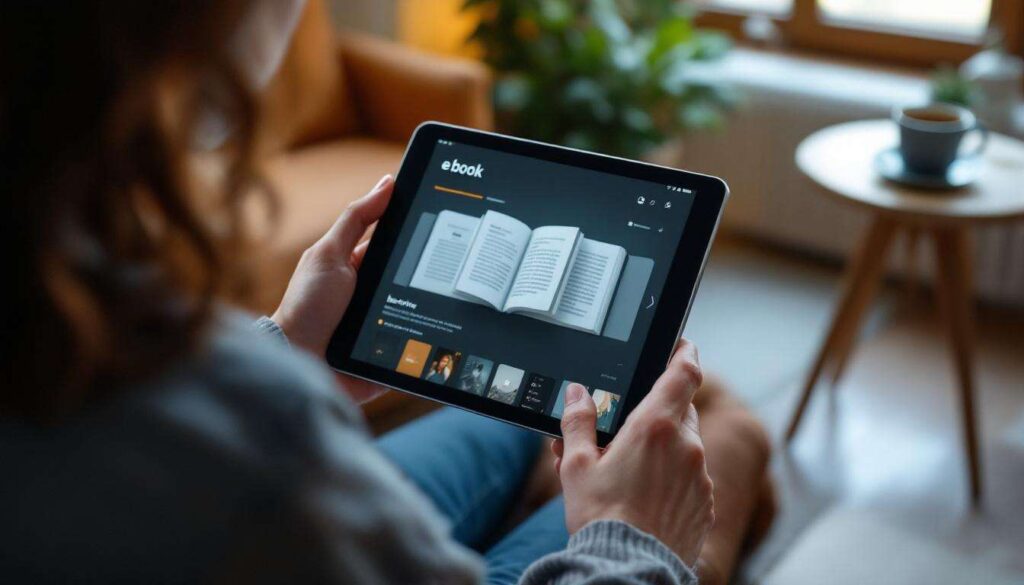
Carrying multiple devices has become an everyday burden for many technology users. Between a tablet for work and entertainment, an e-reader for books, and perhaps a smartphone for communication, the weight in our bags grows heavier whilst our pockets grow lighter. The quest for simplification has led to a revolution in how we approach our digital toolkit, with manufacturers now offering devices that successfully merge the functionality of several gadgets into one versatile solution. This shift represents more than mere convenience; it reflects a fundamental change in how we consume content and manage our digital lives.
The evolution of mobile devices
From single-purpose to multi-functional tools
The journey of mobile technology has been marked by constant innovation and convergence. Early devices served singular purposes: mobile phones made calls, e-readers displayed text, and tablets offered basic computing. Over time, manufacturers recognised that consumers desired consolidated functionality rather than carrying separate gadgets for each task.
- First-generation tablets focused primarily on web browsing and email
- E-readers revolutionised reading with e-ink technology but lacked versatility
- Modern hybrid devices now incorporate high-quality displays suitable for both reading and multimedia
- Processing power has increased exponentially, enabling seamless multitasking
The technological breakthroughs enabling convergence
Several key developments have made device consolidation possible. Display technology has advanced significantly, with screens now offering adjustable colour temperatures, reduced blue light emission, and eye-comfort modes that rival traditional e-ink displays. Battery efficiency has improved dramatically, allowing devices to last through extended reading sessions whilst maintaining powerful processing capabilities for more demanding applications.
| Technology aspect | Previous generation | Current generation |
|---|---|---|
| Battery life | 6-8 hours | 12-16 hours |
| Screen refresh rate | 60Hz standard | 120Hz adaptive |
| Weight | 650-750g | 450-550g |
These improvements have created an environment where a single device can genuinely replace multiple gadgets without compromising the user experience. The question then becomes not whether consolidation is possible, but rather why it makes practical sense for everyday users.
Why replace your tablet and e-reader
The practical burden of multiple devices
Maintaining separate devices creates numerous logistical challenges that extend beyond simple inconvenience. Each device requires its own charging cable, protective case, and regular software updates. The financial investment multiplies with every additional gadget, not only in initial purchase costs but also in accessories and potential repairs. Furthermore, managing content across multiple platforms becomes increasingly cumbersome, with different applications, accounts, and synchronisation requirements for each device.
Environmental and economic considerations
The environmental impact of electronic waste cannot be ignored. Manufacturing multiple devices requires substantial resources, from rare earth minerals to energy-intensive production processes. By consolidating to a single device, users reduce their carbon footprint whilst simultaneously decreasing electronic waste. Economically, the mathematics are compelling: purchasing one premium device typically costs less than buying both a quality tablet and a dedicated e-reader, even before considering the savings on accessories.
- Reduced packaging waste from multiple product purchases
- Lower energy consumption from charging fewer devices
- Decreased electronic waste at end of product lifecycle
- Simplified recycling process for a single device
Beyond these tangible benefits, there exists a psychological advantage to simplification. The mental load of managing fewer devices, remembering which gadget contains which content, and ensuring everything remains charged creates a sense of digital calm that enhances the overall user experience. Understanding these motivations naturally leads to the question of how to select the appropriate device for this consolidation.
Choosing the right hybrid device
Essential features to consider
Selecting a device capable of replacing both tablet and e-reader requires careful evaluation of specific characteristics. The display must offer excellent readability in various lighting conditions, from bright sunlight to dimly lit bedrooms. Processing power should handle both intensive applications and provide smooth performance during basic reading tasks. Storage capacity becomes crucial when consolidating libraries of books, documents, and multimedia content onto a single device.
Display technology and reading comfort
The screen represents the most critical component for dual-purpose use. Modern devices offer adaptive display technology that adjusts colour temperature and brightness based on ambient light and time of day. Anti-reflective coatings minimise glare, whilst high pixel density ensures crisp text rendering. Some devices now incorporate reading modes that simulate the appearance of e-ink displays, reducing eye strain during extended reading sessions without sacrificing the versatility of a full-colour screen.
| Display feature | Importance for reading | Importance for general use |
|---|---|---|
| Blue light filtering | Essential | Beneficial |
| High refresh rate | Moderate | Essential |
| Colour accuracy | Low | High |
| Brightness range | High | High |
Software ecosystem and compatibility
The software platform determines access to content libraries and applications. Compatibility with major e-book retailers, library lending systems, and document formats ensures that users can access their existing content without platform lock-in. Application availability for productivity, entertainment, and reading must all meet professional and personal requirements. Once these criteria are established, the benefits of making this technological shift become increasingly apparent.
Advantages of the new single device
Streamlined daily routine
Consolidating to one device transforms the daily technology experience. Morning routines become simpler with only one device to charge overnight. Commutes require less bag space and weight. The transition between reading a novel, checking emails, and watching content occurs seamlessly without switching devices. This integrated approach to digital consumption feels more natural and less fragmented than constantly moving between separate gadgets.
- Single charging routine eliminates cable confusion
- Reduced weight makes travel significantly easier
- Unified notification system prevents missing important alerts
- Consistent interface reduces cognitive load when switching tasks
Enhanced functionality through integration
A hybrid device offers capabilities that separate gadgets cannot match. Taking notes directly on reading material, highlighting passages and instantly sharing them via email or social media, and seamlessly transitioning from reading to research creates a fluid workflow impossible with dedicated e-readers. The ability to reference multiple documents simultaneously, split-screen functionality, and access to full desktop-class applications elevates productivity beyond what traditional tablets or e-readers offer independently.
Cost efficiency over time
The financial advantages extend beyond initial purchase savings. Maintaining one device means purchasing fewer protective cases, screen protectors, and replacement chargers. Software subscriptions need only be purchased once rather than potentially requiring separate accounts for different devices. Insurance costs decrease, and the potential resale value of a single premium device typically exceeds that of multiple mid-range gadgets. These practical benefits naturally raise questions about how well such devices perform in real-world usage scenarios.
Performance and practicality of the chosen model
Real-world reading experience
The true test of any hybrid device lies in its reading performance. Extended reading sessions reveal whether eye strain becomes problematic, whether the device weight causes discomfort, and whether battery life genuinely supports all-day use. Modern hybrid devices have largely overcome these challenges through thoughtful engineering: reduced bezels maintain compact dimensions whilst maximising screen space, lightweight materials keep overall weight manageable, and efficient processors extend battery life even during intensive use.
Multitasking and productivity capabilities
Beyond reading, the device must handle demanding applications without compromise. Video conferencing, document editing, web browsing with multiple tabs, and media consumption should all perform smoothly. The ability to quickly switch between a relaxing reading session and productive work tasks without performance degradation represents the core value proposition of device consolidation. Split-screen functionality allows simultaneous reference material viewing whilst taking notes, a capability that separate devices cannot replicate.
| Usage scenario | Performance rating | Battery impact |
|---|---|---|
| Reading e-books | Excellent | Minimal |
| Video streaming | Excellent | Moderate |
| Document editing | Very good | Low |
| Gaming | Good | High |
Portability and durability considerations
A device replacing multiple gadgets must prove sufficiently robust for varied usage scenarios. Build quality, screen durability, and resistance to everyday wear become paramount when a single device bears the responsibility previously shared amongst several. Premium materials, reinforced corners, and quality control standards ensure longevity that justifies the initial investment. The practicality of carrying one well-built device surpasses managing multiple fragile gadgets requiring constant careful handling.
Conclusion: breaking away from device multiplicity
The transition from multiple specialised devices to a single versatile tool represents both a practical and philosophical shift in digital consumption. Modern hybrid devices successfully merge the reading comfort of dedicated e-readers with the functionality of tablets, eliminating the need to compromise between portability and capability. The environmental benefits of reduced electronic waste, combined with economic savings and simplified daily routines, create compelling reasons for consolidation. Display technology advancements, improved battery efficiency, and powerful processing capabilities have reached a point where device convergence no longer requires sacrificing user experience. By carefully selecting a hybrid device that meets specific reading and productivity requirements, users can genuinely replace multiple gadgets with one comprehensive solution that enhances rather than limits their digital lifestyle.