



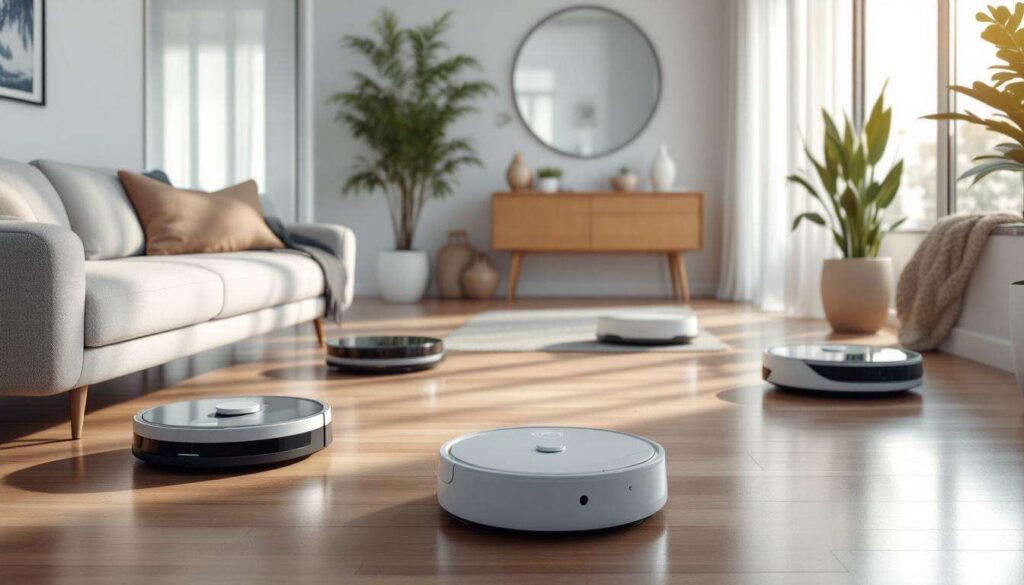
Robot vacuums have rapidly evolved from simple automated cleaners into sophisticated home assistants capable of navigating complex environments and performing multiple tasks. The latest models showcased at the Consumer Electronics Show reveal a future where artificial intelligence, advanced mobility and environmental consciousness converge to redefine domestic maintenance. These innovations demonstrate how manufacturers are pushing boundaries to create devices that adapt seamlessly to diverse household needs whilst addressing sustainability concerns.
The standout innovations at CES 2026 in robot vacuums
Revolutionary mobility features transforming multi-level cleaning
The Roborock Saros Rover represents a breakthrough in robotic mobility with its retractable legs designed specifically for climbing stairs. This innovation eliminates the necessity of purchasing multiple units for homes with several floors, offering a comprehensive solution that adapts to vertical spaces. The mechanism allows the device to extend its appendages when approaching steps, carefully manoeuvring upwards whilst maintaining balance and avoiding falls.
This advancement addresses one of the most persistent limitations in robot vacuum technology. Previously, homeowners required separate devices for each level or manually transported their robots between floors. The stair-climbing capability fundamentally changes this dynamic, making multi-storey cleaning genuinely autonomous.
Enhanced suction power and intelligent surface recognition
The Dreame X60 Max Ultra combines exceptional suction capabilities with artificial intelligence that identifies surface types and adjusts cleaning intensity accordingly. Key features include:
- Adaptive power modulation based on floor material detection
- Extended battery life supporting prolonged cleaning sessions
- Real-time obstacle recognition preventing collisions and damage
- Multi-room mapping with customisable cleaning schedules
This model demonstrates how manufacturers integrate computational power to create devices that think proactively rather than simply following predetermined patterns. The vacuum learns household layouts over time, optimising routes and identifying areas requiring more frequent attention.
Self-maintenance systems reducing user intervention
The LG Robot Vacuum Cleaner with Integrated Station introduces comprehensive self-maintenance through its docking system. The base station automatically empties the dustbin, cleans brushes and refills water reservoirs for mopping functions. This hands-free operation extends intervals between manual maintenance from days to weeks, significantly reducing the burden on homeowners.
These developments signal a shift towards truly autonomous cleaning systems that require minimal human oversight, allowing households to focus on other priorities whilst maintaining pristine living spaces.
How to choose the perfect robot vacuum in 2026
Assessing your home’s specific requirements
Selecting an appropriate robot vacuum depends on several critical factors that vary between households. Consider the following elements:
- Floor plan complexity: homes with multiple levels benefit from stair-climbing models, whilst single-floor residences may prioritise other features
- Surface variety: mixed flooring types require adaptive suction and brush systems
- Pet ownership: households with animals need enhanced filtration and stronger suction for hair removal
- Room size and furniture density: compact models like the Eureka Z50 excel in cluttered spaces, whereas larger units handle expansive areas more efficiently
Comparing essential specifications and performance metrics
| Model | Battery Life | Suction Power | Special Features |
|---|---|---|---|
| Dreame X60 Max Ultra | 180 minutes | High | AI surface recognition |
| Eufy Omni S2 | 150 minutes | Medium-High | Fragrance dispenser |
| Roborock Saros Rover | 120 minutes | High | Stair climbing |
| LG Integrated Station | 160 minutes | Medium-High | Self-emptying system |
| Eureka Z50 | 90 minutes | Medium | Compact design |
Performance metrics provide objective comparisons, but real-world effectiveness depends on how well specifications align with individual household characteristics and cleaning expectations.
Cutting-edge technologies integrated into new models
Artificial intelligence driving adaptive cleaning strategies
Modern robot vacuums employ machine learning algorithms that continuously refine cleaning patterns based on accumulated data. The Eufy Omni S2 exemplifies this approach with its AI mapping system that identifies high-traffic zones requiring more frequent attention. The device creates detailed floor plans, remembering furniture placement and detecting changes in room configuration.
These intelligent systems distinguish between different types of debris, adjusting suction intensity and brush speed accordingly. Sensors detect everything from fine dust particles to larger objects, preventing clogs and optimising energy consumption throughout cleaning cycles.
Enhanced sensory capabilities for precise navigation
Contemporary models incorporate multiple sensor types working in concert:
- LiDAR technology for accurate distance measurement and spatial mapping
- Optical sensors detecting floor type transitions
- Infrared systems preventing falls from stairs and ledges
- Ultrasonic sensors identifying transparent obstacles like glass doors
This sensory fusion creates comprehensive environmental awareness, enabling robots to navigate confidently through complex spaces whilst avoiding hazards and protecting valuable furnishings.
Focus on compatibility of robot vacuums with smart homes
Seamless integration with home automation ecosystems
The latest robot vacuums function as integral components within broader smart home networks. They communicate with other connected devices, coordinating activities to enhance overall household efficiency. For instance, vacuums can pause operation when security systems detect occupants entering specific rooms or activate automatically after everyone leaves for work.
Voice assistant compatibility allows hands-free control through natural language commands. Users simply speak instructions to initiate cleaning, adjust settings or redirect robots to specific areas requiring immediate attention.
Remote monitoring and control capabilities
Dedicated mobile applications provide comprehensive oversight of robot vacuum operations from anywhere. Features include:
- Real-time location tracking showing current position within floor plans
- Cleaning history reports detailing covered areas and session duration
- Scheduled automation with customisable timing and frequency
- Maintenance alerts notifying users when filters or brushes require replacement
This connectivity transforms robot vacuums from standalone appliances into manageable components of intelligent home management systems.
The environmental impact of the new generation of robot vacuums
Energy efficiency improvements reducing carbon footprints
Manufacturers have prioritised energy conservation in recent designs, implementing technologies that minimise power consumption without compromising performance. Intelligent battery management systems optimise charging cycles, extending battery lifespan and reducing electronic waste from frequent replacements.
Advanced motors deliver superior suction using less electricity compared to previous generations. The combination of efficient components and smart power allocation results in devices that clean thoroughly whilst consuming minimal energy resources.
Sustainable materials and recyclability considerations
Environmental consciousness extends beyond operational efficiency to encompass manufacturing materials and end-of-life disposal. Many models now incorporate recycled plastics and biodegradable components where feasible. Manufacturers increasingly design products with disassembly in mind, facilitating component separation for proper recycling.
These efforts reflect growing industry awareness of environmental responsibilities and consumer demand for sustainable products that minimise ecological impact throughout their entire lifecycle.
Future evolution of the robot vacuum market by 2026
Anticipated technological advancements on the horizon
The trajectory established by current innovations suggests continued evolution towards increasingly autonomous and capable devices. Future developments may include enhanced object manipulation allowing robots to move lightweight obstacles, improved battery technologies enabling extended operation periods, and sophisticated AI capable of understanding complex verbal instructions.
Integration with augmented reality systems could allow users to visualise cleaning patterns and designate specific areas through intuitive visual interfaces rather than traditional mapping tools.
Market expansion and accessibility improvements
As production scales increase and technologies mature, robot vacuums are becoming more affordable across various price segments. This democratisation expands access beyond premium markets, bringing automated cleaning solutions to broader consumer demographics. Competitive pressure drives continuous innovation whilst simultaneously reducing costs, creating a virtuous cycle benefiting consumers.
The robot vacuum sector demonstrates remarkable vitality with manufacturers competing to deliver increasingly sophisticated solutions that address real household challenges whilst respecting environmental constraints.
The robot vacuum landscape has transformed dramatically, with devices now offering stair-climbing mobility, self-maintenance capabilities and seamless smart home integration. Selection criteria have expanded beyond basic suction power to encompass AI-driven adaptability, energy efficiency and environmental sustainability. These innovations collectively point towards a future where autonomous cleaning systems operate with minimal human intervention whilst delivering superior results. As technologies mature and costs decrease, robot vacuums will become standard household equipment rather than luxury items, fundamentally changing how people approach domestic maintenance and freeing time for more meaningful activities.