



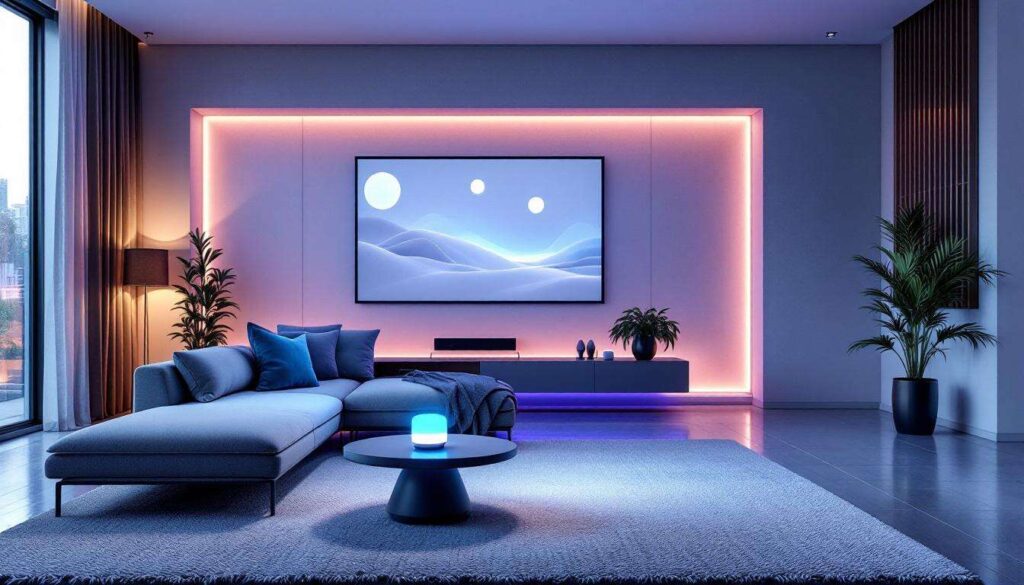
Smart home technology has evolved from a futuristic concept to an essential component of modern living. As homeowners increasingly seek to blend convenience with efficiency, the market for intelligent upgrades continues to expand. The following improvements represent not merely gadgets but strategic investments that promise to transform daily routines, enhance security and deliver measurable savings on energy bills. These carefully selected upgrades reflect a shift towards homes that anticipate needs rather than simply respond to commands.
Connected devices for home security
Comprehensive surveillance systems
The foundation of any secure smart home begins with connected surveillance technology. Modern security systems integrate multiple layers of protection, combining video doorbells, motion-activated cameras and intelligent sensors that work seamlessly together. These devices provide real-time alerts directly to smartphones, enabling homeowners to monitor their property from anywhere in the world.
Contemporary security solutions offer features that extend far beyond basic recording:
- Facial recognition technology that distinguishes between family members, visitors and potential intruders
- Two-way audio communication allowing direct conversation with delivery personnel or guests
- Night vision capabilities ensuring clarity regardless of lighting conditions
- Cloud storage options that preserve footage even if physical devices are compromised
- Integration with emergency services for rapid response when threats are detected
Intelligent access control
Smart locks represent another crucial element of modern home security. These devices eliminate the vulnerabilities associated with traditional keys whilst providing flexible access management. Homeowners can grant temporary access to service providers, monitor entry patterns and receive notifications whenever doors are opened or closed. The convenience of keyless entry combined with enhanced security protocols makes this upgrade particularly valuable for families with varying schedules.
As security concerns continue to shape homeowner priorities, the natural progression leads towards managing the internal environment with equal intelligence and efficiency.
Energy optimisation of heating systems
Learning thermostats that adapt
Smart thermostats have revolutionised how households approach climate control. These devices employ machine learning algorithms to understand occupancy patterns, temperature preferences and seasonal variations. Rather than following rigid schedules, they anticipate needs and adjust settings automatically, ensuring comfort whilst minimising energy waste.
| Traditional Thermostat | Smart Thermostat |
|---|---|
| Manual adjustments required | Automatic learning and adaptation |
| Fixed heating schedules | Dynamic scheduling based on occupancy |
| No remote access | Control from anywhere via smartphone |
| Limited energy insights | Detailed consumption reports and recommendations |
Zoned heating solutions
Advanced systems now support zone-based temperature control, allowing different areas of the home to maintain distinct climate settings. This granular approach prevents energy waste in unoccupied rooms whilst ensuring frequently used spaces remain comfortable. Smart radiator valves communicate with central controllers to create a coordinated heating strategy that responds to real-time conditions throughout the property.
Beyond temperature management, the broader ecosystem of smart home technology extends to how we interact with our living spaces through voice commands and automated routines.
The role of voice assistants for a simplified life
Centralised control hubs
Voice assistants have matured into sophisticated control centres that orchestrate multiple smart devices simultaneously. These platforms enable hands-free management of lighting, entertainment systems, security features and appliances through natural language commands. The convenience extends beyond simple on-off functions to complex routines that trigger multiple actions with a single phrase.
Practical applications demonstrate the transformative potential:
- Morning routines that gradually increase lighting, adjust thermostats and provide weather briefings
- Departure sequences that verify locked doors, arm security systems and reduce heating
- Entertainment modes that dim lights, close curtains and activate audio systems
- Bedtime protocols that secure the home and create optimal sleeping conditions
Integration across platforms
The true power of voice assistants emerges through their ability to unify disparate smart devices from various manufacturers. This interoperability eliminates the frustration of managing multiple applications, creating a cohesive ecosystem where devices communicate and coordinate their functions. Voice control also proves invaluable for individuals with mobility challenges, offering independence and accessibility.
Whilst voice commands provide convenient control, visual elements of the home environment require equally intelligent management to maximise both ambiance and efficiency.
Advancements in smart lighting
Adaptive illumination systems
Modern smart lighting transcends simple remote control, offering dynamic adjustment based on time of day, natural light levels and activity. These systems automatically modify colour temperature and brightness to support circadian rhythms, enhancing sleep quality and daytime alertness. The ability to create custom scenes for different occasions transforms how spaces feel and function.
Energy-efficient LED technology
Contemporary smart bulbs combine exceptional longevity with minimal energy consumption. LED technology has advanced to provide warm, natural light that rivals traditional incandescent bulbs whilst using a fraction of the electricity. Motion sensors further reduce waste by ensuring lights activate only when spaces are occupied, delivering measurable reductions in electricity bills.
The sophistication applied to lighting management reflects a broader trend towards monitoring and optimising all aspects of household energy consumption.
Smart monitoring of electricity consumption
Real-time usage tracking
Intelligent energy monitors provide unprecedented visibility into electricity consumption patterns. These devices connect to electrical panels and transmit detailed data to smartphone applications, revealing which appliances consume the most power and identifying opportunities for savings. Homeowners gain actionable insights that inform purchasing decisions and usage habits.
Key benefits of consumption monitoring include:
- Identification of energy-hungry appliances that may require replacement
- Detection of phantom loads from devices in standby mode
- Comparison of usage against similar households
- Alerts when consumption exceeds predetermined thresholds
- Historical data that reveals seasonal patterns and trends
Automated load management
Advanced systems extend beyond monitoring to actively manage electrical loads. Smart plugs and switches can schedule high-consumption appliances to operate during off-peak hours when electricity rates are lower. This strategic load shifting reduces costs whilst supporting grid stability, particularly as renewable energy sources become more prevalent.
Just as electricity monitoring reveals consumption patterns, parallel innovations are transforming how households manage another precious resource.
Innovations in home water management
Leak detection and prevention
Smart water systems employ sensors throughout plumbing networks to detect leaks before they cause significant damage. These devices monitor flow rates and pressure, identifying anomalies that indicate problems. When leaks are detected, systems can automatically shut off water supply, preventing catastrophic flooding and the associated repair costs. The financial protection these systems provide often exceeds their initial investment within a single prevented incident.
Consumption optimisation
Water monitoring extends to understanding usage patterns across different fixtures and appliances. Smart controllers for irrigation systems adjust watering schedules based on weather forecasts and soil moisture levels, eliminating waste whilst maintaining healthy landscapes. Intelligent shower systems track consumption and provide feedback that encourages conservation without sacrificing comfort.
Smart home technology represents a fundamental shift in how we inhabit and manage our living spaces. The upgrades discussed here share common characteristics: they enhance security, improve efficiency and provide meaningful control over domestic environments. Connected security systems offer peace of mind through comprehensive monitoring and intelligent access management. Energy optimisation through smart thermostats and zoned heating delivers comfort alongside reduced consumption. Voice assistants simplify daily routines by unifying disparate devices under intuitive control. Advanced lighting systems adapt to natural rhythms whilst minimising electricity use. Consumption monitoring reveals opportunities for savings across both electricity and water usage. These investments collectively transform houses into responsive environments that anticipate needs, protect occupants and operate with remarkable efficiency.