



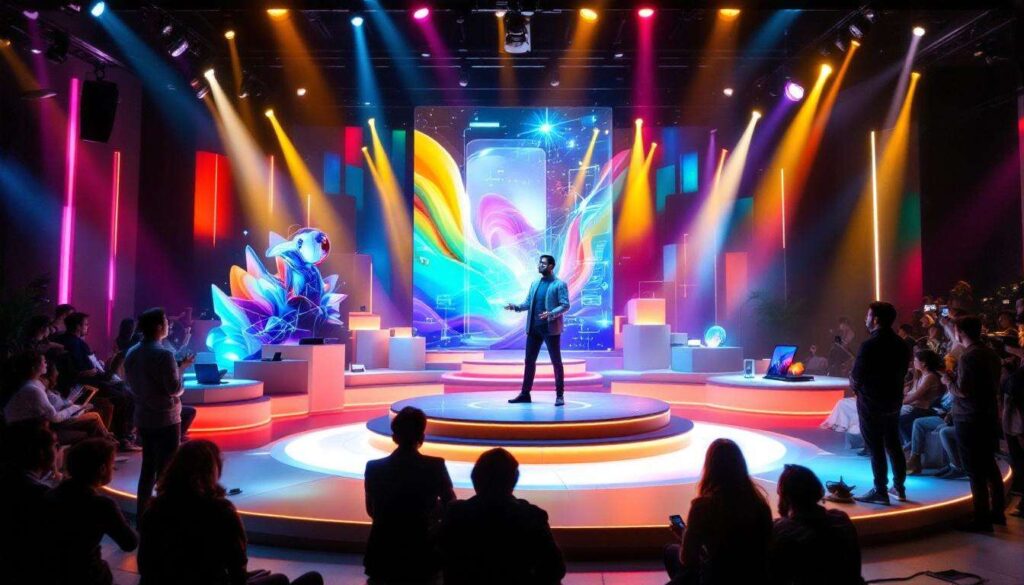
The sight of eager faces illuminated by stage lights, gasps of wonder rippling through an auditorium, and the collective sense that the future had just arrived—these were the hallmarks of technology launches that once captivated millions. The unveiling of groundbreaking devices promised not merely incremental improvements but transformative experiences that would reshape daily life. Yet somewhere along the journey from those electrifying moments to today’s product announcements, something fundamental shifted. The anticipation that once accompanied each new gadget has given way to weary acceptance, and the revolutionary has become routine. Understanding why this transformation occurred requires examining the changing relationship between consumers and the technology they once eagerly awaited.
The Evolution of Tech Expectations
The presentation at Macworld on 9 January 2007 established a benchmark that would define a generation’s relationship with technology. When the iPhone was revealed, audiences witnessed something that seemed plucked from science fiction, a device that combined multiple functions into a sleek, intuitive interface reminiscent of futuristic entertainment like Star Trek. This moment crystallised the promise that technology could deliver experiences beyond imagination whilst remaining accessible to everyday users.
The Golden Age of Technological Wonder
The years immediately following this landmark event saw consumers approach each new announcement with genuine anticipation. Several factors contributed to this heightened state of expectation:
- The rapid pace of visible innovation created a sense that each iteration would bring substantial improvements
- Technology companies cultivated theatrical presentation styles that elevated product launches to cultural events
- The gap between what existed and what seemed possible remained tantalizingly close yet still impressive
- Social media amplified excitement, creating shared experiences around product announcements
This period established patterns of consumer behaviour where queuing overnight for new devices became a ritual, and unboxing videos transformed into entertainment genres. The emotional investment in technology reached unprecedented levels, with products becoming extensions of personal identity rather than mere tools.
The Shifting Baseline of Innovation
As technological capabilities expanded, so too did consumer expectations. What once seemed miraculous gradually became the minimum acceptable standard. The following table illustrates this progression:
| Feature | Initial Reaction | Current Perception |
|---|---|---|
| Touchscreen interface | Revolutionary | Standard requirement |
| High-resolution camera | Impressive addition | Expected baseline |
| Wireless connectivity | Cutting-edge feature | Assumed capability |
| Voice commands | Futuristic technology | Commonplace function |
This recalibration of expectations has fundamentally altered how consumers evaluate new products, making it increasingly difficult for companies to generate the same level of enthusiasm that once accompanied their announcements. The challenge now extends beyond delivering functional improvements to recapturing that elusive sense of wonder.
When Novelty Loses Its Shine
The phenomenon of diminishing returns applies not only to technological specifications but to the emotional responses these innovations generate. After experiencing the initial thrill of transformative technology, subsequent iterations inevitably face the challenge of matching that first impression.
The Predictability Problem
Modern product launches have become remarkably formulaic, following patterns that audiences can anticipate well before official announcements. This predictability undermines the potential for surprise, as leaked specifications and rumoured features circulate months in advance. The carefully orchestrated reveals that once shocked audiences now merely confirm what dedicated followers already knew.
The structure of these events has also ossified into recognisable templates. Presentations follow similar arcs, emphasising comparable metrics and using interchangeable superlatives. When every product claims to be revolutionary, the term loses its meaning, and consumers develop a healthy scepticism towards marketing language that once inspired genuine excitement.
Incremental Versus Transformative Change
The nature of technological advancement has shifted from dramatic leaps to gradual refinements. Whilst these improvements deliver tangible benefits, they rarely inspire the visceral reactions that accompanied earlier breakthroughs. Consumers now receive:
- Marginally faster processors that perform tasks already completed adequately
- Slightly improved cameras that capture images beyond most users’ needs
- Additional features that duplicate existing capabilities with minor variations
- Design tweaks that offer aesthetic changes rather than functional innovations
This pattern creates a paradox where technology becomes simultaneously more capable and less exciting. The absence of transformative change means that upgrading feels more like obligation than opportunity, particularly when existing devices continue functioning perfectly well. As novelty fades, attention naturally turns to how these incremental changes have reshaped the broader technological landscape.
The Commoditisation of Technological Innovations
Features that once distinguished premium products have become ubiquitous across price points, fundamentally altering the value proposition of new launches. When cutting-edge capabilities quickly filter down to budget alternatives, the justification for excitement around flagship announcements diminishes considerably.
The Democratisation of Advanced Features
The rapid dissemination of technological capabilities has created a market where differentiation becomes increasingly difficult. Innovations introduced as exclusive selling points appear in competing products within months, eroding the perceived uniqueness that justified premium pricing and generated enthusiasm. This acceleration has several consequences:
- Consumers delay purchases, knowing features will become more affordable shortly
- Brand loyalty weakens as functional parity across manufacturers increases
- The perceived value of being an early adopter diminishes significantly
- Marketing must emphasise intangible qualities rather than concrete capabilities
This commoditisation extends beyond hardware to software and services, where previously exclusive features become standard offerings. The competitive pressure to match rivals’ capabilities means that truly distinctive products become rare, and the technological landscape homogenises around similar feature sets and design philosophies.
The Invisible Technology Trend
Recent developments, including acquisitions like Q.ai by Apple, signal a shift towards technology that operates behind the scenes rather than demanding attention. This philosophy aims to make digital interfaces so intuitive they become imperceptible, raising questions about how consumers perceive value when technology deliberately avoids showcasing its sophistication.
Whilst this approach may enhance user experience, it paradoxically makes technology less exciting to discuss and anticipate. When the goal is seamlessness rather than spectacle, product launches lose the tangible demonstrations that once captivated audiences. The magic becomes invisible, and with it, the sense of wonder that accompanied earlier revelations. This trend contributes to a broader phenomenon affecting consumer attitudes towards technology announcements.
Fatigue from Repeated Launches
The relentless pace of product cycles has created a state of perpetual announcement fatigue amongst consumers and observers alike. When multiple companies host elaborate events throughout the year, each claiming revolutionary breakthroughs, the cumulative effect numbs rather than excites audiences.
The Oversaturation of Tech Events
The calendar now overflows with product launches, developer conferences, and technology showcases competing for attention. This constant barrage creates several challenges:
- Audiences struggle to maintain enthusiasm across numerous events
- Genuine innovations risk being lost amongst routine announcements
- Media coverage becomes repetitive, focusing on similar themes and comparisons
- The special occasion atmosphere that once surrounded launches dissipates
This oversaturation means that even legitimately impressive developments receive muted responses, as consumers have learned to temper their expectations. The boy who cried wolf effect applies when every announcement promises transformation but delivers iteration, gradually eroding the credibility of future claims regardless of their merit.
The Burden of Constant Upgrading
Beyond announcement fatigue lies the practical exhaustion of maintaining pace with technological change. Consumers face pressure to upgrade devices that function adequately, learn new interfaces that offer marginal improvements, and adapt to ecosystem changes that serve corporate interests rather than user needs. This creates resentment rather than excitement, transforming technology from liberation to obligation.
The financial implications compound this fatigue, as the cost of remaining current with technology escalates whilst the tangible benefits of upgrading diminish. When combined with growing awareness of environmental impacts and electronic waste, the enthusiasm for constant consumption naturally wanes. These practical concerns intersect with deeper disappointments about technology’s role in society.
Disillusionment with Digital Promises
The optimistic vision that accompanied early technological breakthroughs has confronted harsh realities, creating a sense of betrayal amongst consumers who believed in the transformative potential of digital innovation. Technology that promised connection has enabled isolation, platforms designed to democratise information have spread misinformation, and tools meant to enhance productivity have created constant distraction.
The Reality Behind the Rhetoric
Content creators and media professionals have experienced firsthand how technology disrupted established industries without delivering the promised alternatives. The following impacts have become increasingly apparent:
- Algorithms prioritise engagement over quality, degrading discourse
- Platforms extract value from creators whilst offering diminishing returns
- Privacy invasions have become normalised in exchange for convenience
- Attention economies exploit psychological vulnerabilities for profit
This gap between promise and reality has fostered cynicism towards new technological offerings. When companies announce features designed to address problems their previous innovations created, consumers rightfully question whether these solutions will introduce new complications. The erosion of trust makes it difficult for even genuinely beneficial innovations to receive fair consideration.
The Human Cost of Progress
Beyond functional disappointments lies growing awareness of technology’s broader societal impacts. Manufacturing practices, labour conditions, environmental degradation, and social fragmentation have become inseparable from discussions about innovation. This consciousness makes it impossible to experience pure excitement about new products without considering their wider implications, adding moral complexity to what was once straightforward enthusiasm.
The recognition that technology companies prioritise profit over user wellbeing has fundamentally altered the relationship between consumers and the industry. Announcements now prompt questions about data collection, planned obsolescence, and manipulative design rather than wonder about capabilities. This scepticism, whilst healthy, diminishes the capacity for the unguarded enthusiasm that characterised earlier eras. Yet within this disillusionment lies potential for renewal.
Rediscovering the Magic of Technology
Despite the factors contributing to diminished excitement, opportunities exist to rekindle genuine enthusiasm for technological innovation. This requires moving beyond superficial improvements towards developments that address meaningful human needs whilst respecting ethical boundaries and environmental constraints.
Focusing on Substance Over Spectacle
The path forward involves prioritising genuine utility and thoughtful design over marketing theatrics. Technology that solves real problems, enhances rather than replaces human capabilities, and demonstrates respect for users’ time and attention can rebuild trust and enthusiasm. This approach emphasises:
- Longevity and repairability over planned obsolescence
- Privacy and user control over data extraction
- Accessibility and inclusivity over exclusivity
- Environmental responsibility over unchecked consumption
When companies demonstrate commitment to these principles through actions rather than rhetoric, consumers respond with renewed engagement. The magic returns not through flashy presentations but through products that genuinely improve lives without hidden costs or compromises.
Cultivating Mindful Engagement
Rediscovering wonder also requires consumers to approach technology more deliberately, resisting the pressure to immediately adopt every innovation. By evaluating new products against actual needs rather than manufactured desires, individuals can experience genuine appreciation when technology truly enhances their capabilities. This mindful approach transforms the relationship from passive consumption to active choice, restoring agency and satisfaction.
The magic of technology never truly disappeared—it simply became obscured by hype, disappointment, and oversaturation. By refocusing on meaningful innovation and thoughtful engagement, both creators and consumers can recapture the sense of possibility that once made product launches feel like glimpses into an exciting future.
The journey from euphoric product unveilings to weary acceptance reflects broader changes in consumer expectations, market saturation, and societal awareness of technology’s complexities. Whilst incremental improvements and predictable launches have dulled initial excitement, the underlying potential for transformative innovation remains. Rebuilding enthusiasm requires companies to prioritise substance over spectacle, addressing genuine needs whilst respecting ethical boundaries. Simultaneously, consumers must cultivate mindful engagement, evaluating technologies against actual requirements rather than manufactured desires. By acknowledging past disappointments whilst remaining open to meaningful progress, the relationship between society and technology can evolve beyond cynicism towards renewed appreciation for innovations that genuinely enhance human capability and wellbeing.